Cooking Culture Tradition

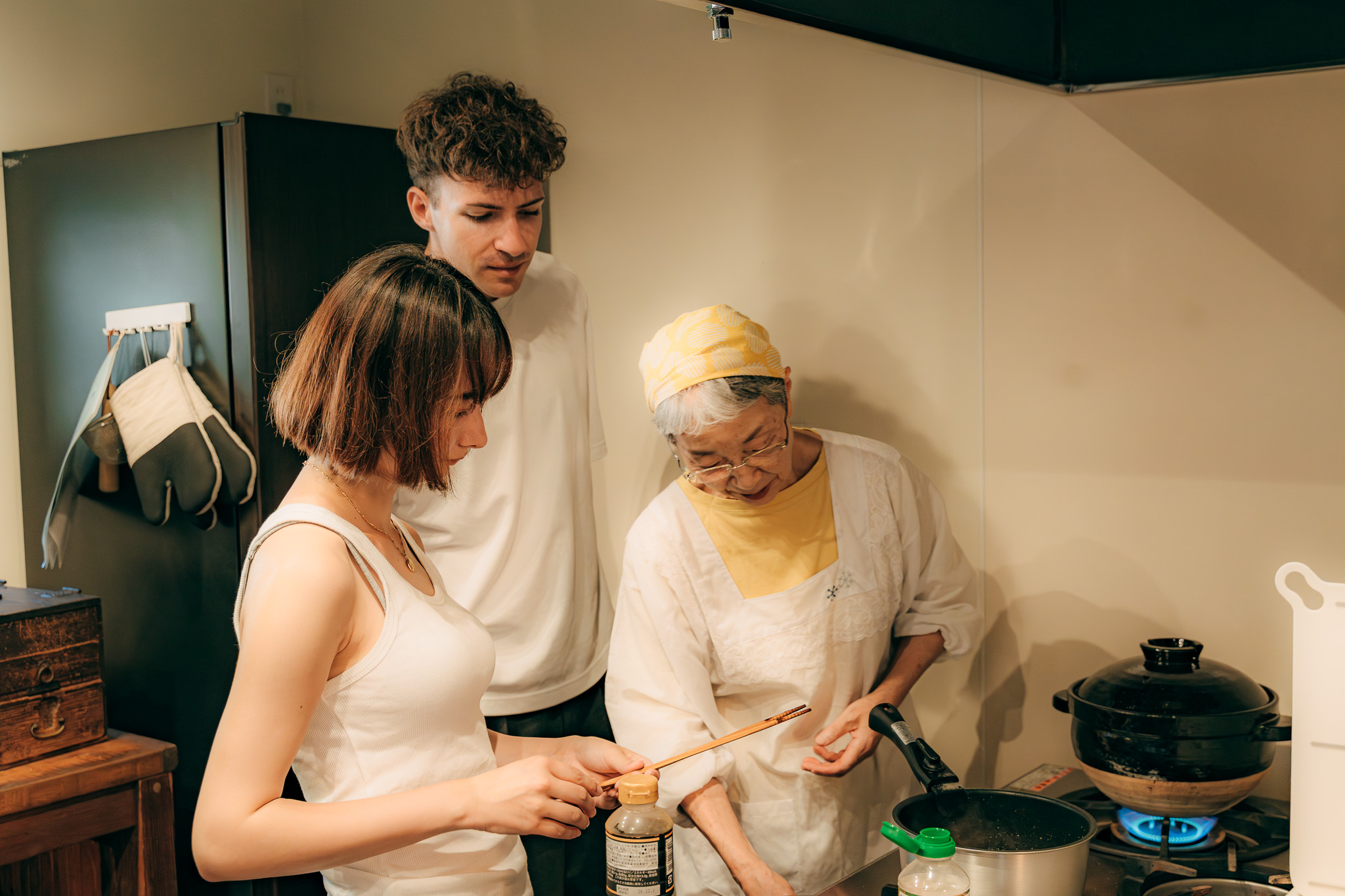
[Experience] Experience home cooking in Tokamachi with local moms!

JPY 6300 / 1 person (tax included)

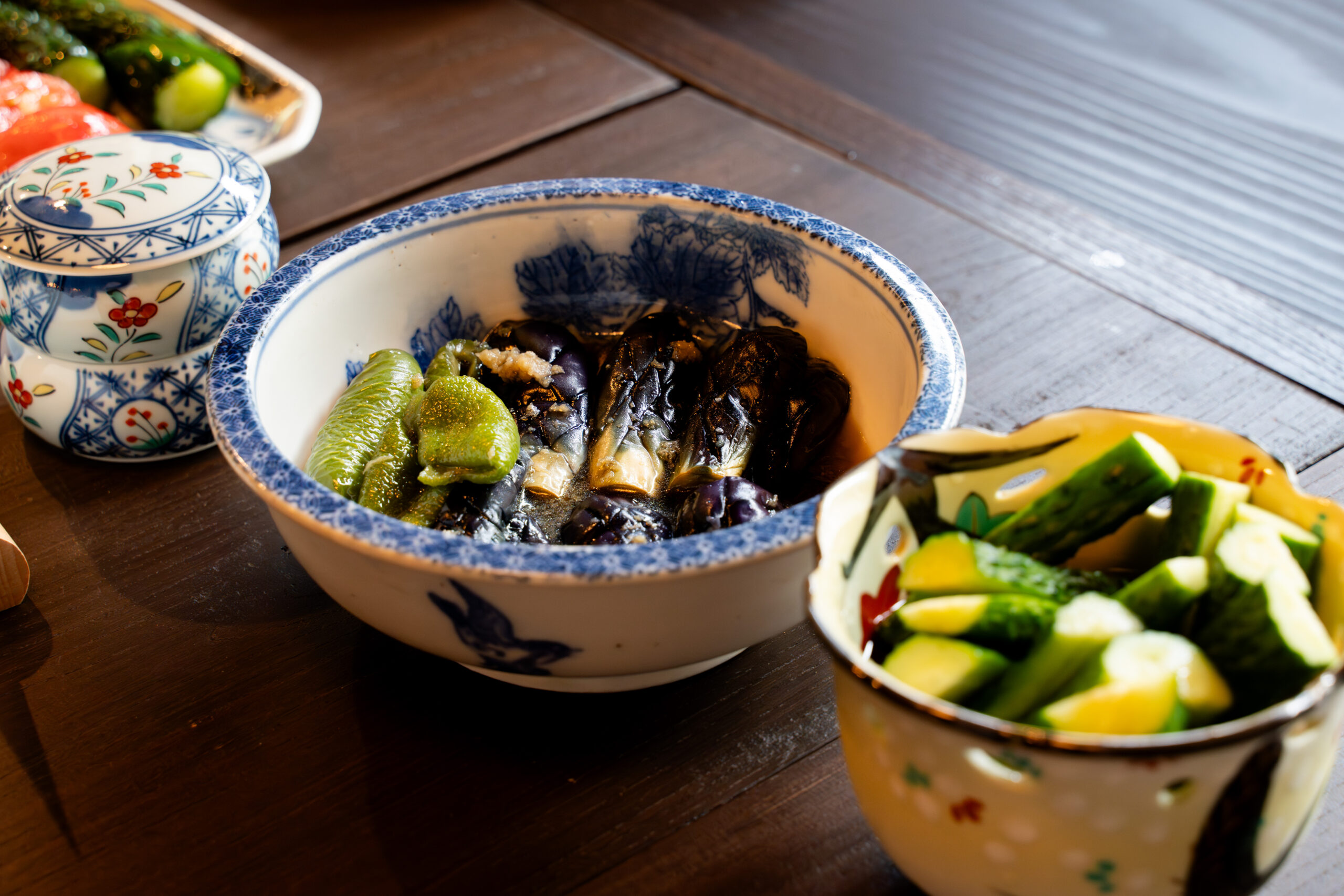
Learn Directly from Local Moms! “Snow Country Home Cooking” Using Seasonal Ingredients

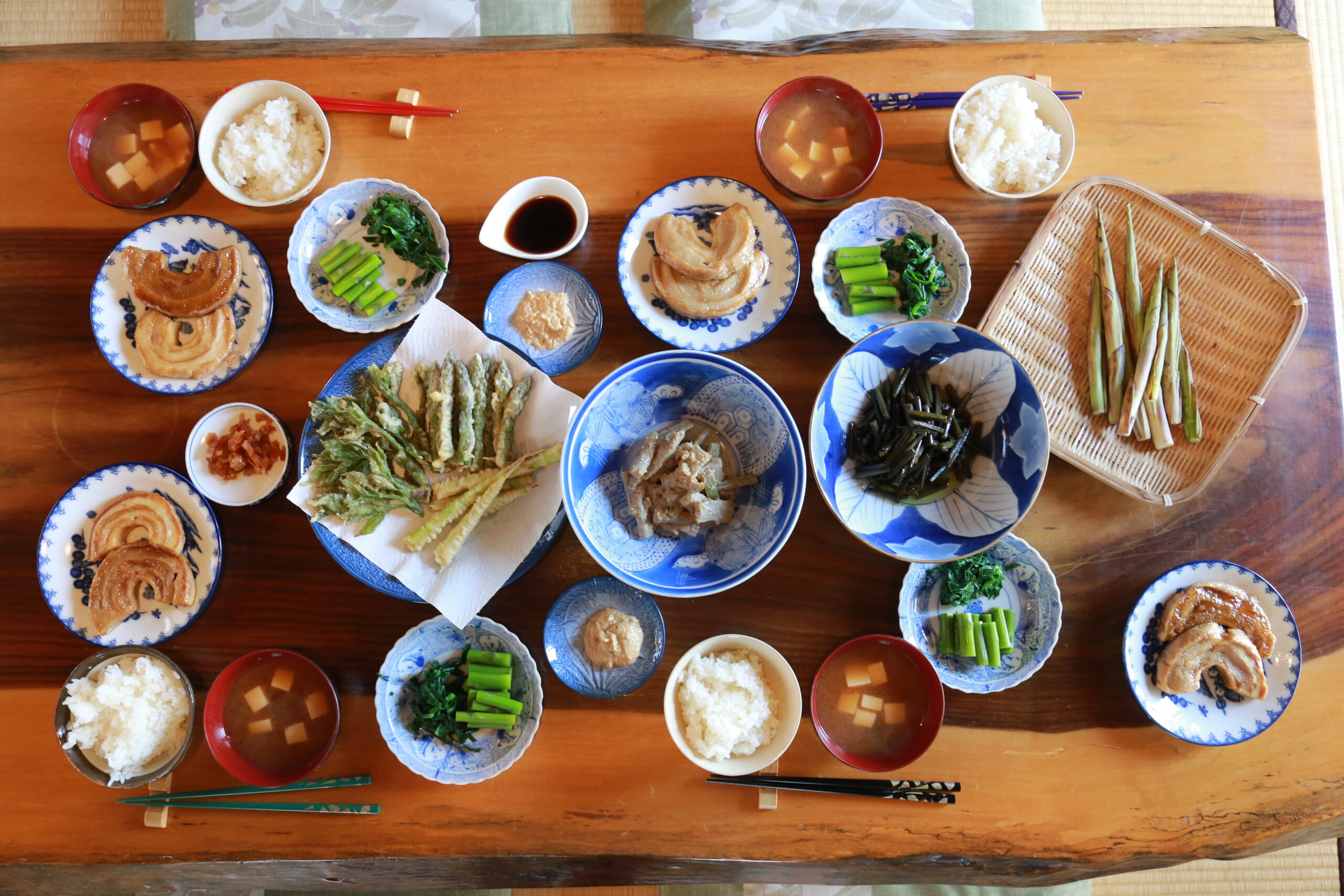
“Gottsuo” means “feast” in the Tokamachi dialect. In this experience, you will cook home-style dishes using the most delicious seasonal ingredients available at that time, together with energetic local mothers (Ka-chan-sho) who know everything about the region. The menu changes with the seasons: wild vegetables in spring, local vegetables in summer, mushrooms in autumn, and traditional preserved foods in winter. Rather than tourist dishes found in guidebooks, this is a practical cooking experience where you learn “authentic countryside cuisine” actually loved at local dining tables by cooking alongside the mothers.

Wisdom to Survive the Harsh Winter: Learn the Culture of “Preserved” and “Fermented” Foods

Tokamachi, a heavy snowfall area, has a unique food culture rooted in spending nearly half the year with snow. It involves the wisdom of “preserved foods” and “fermented foods,” where the bounty of spring through autumn is salted or dried to serve as valuable nutrition sources during the winter. Through cooking, you will learn not only how to make dishes but also the stories and ingenuity of how ancestors lived in harmony with nature and survived the harsh winters. It is a valuable opportunity to touch upon the handling of ingredients unique to the snow country and the secrets behind their deep flavors.

Just Like Visiting Relatives! A Warm Dining Experience with Local Moms

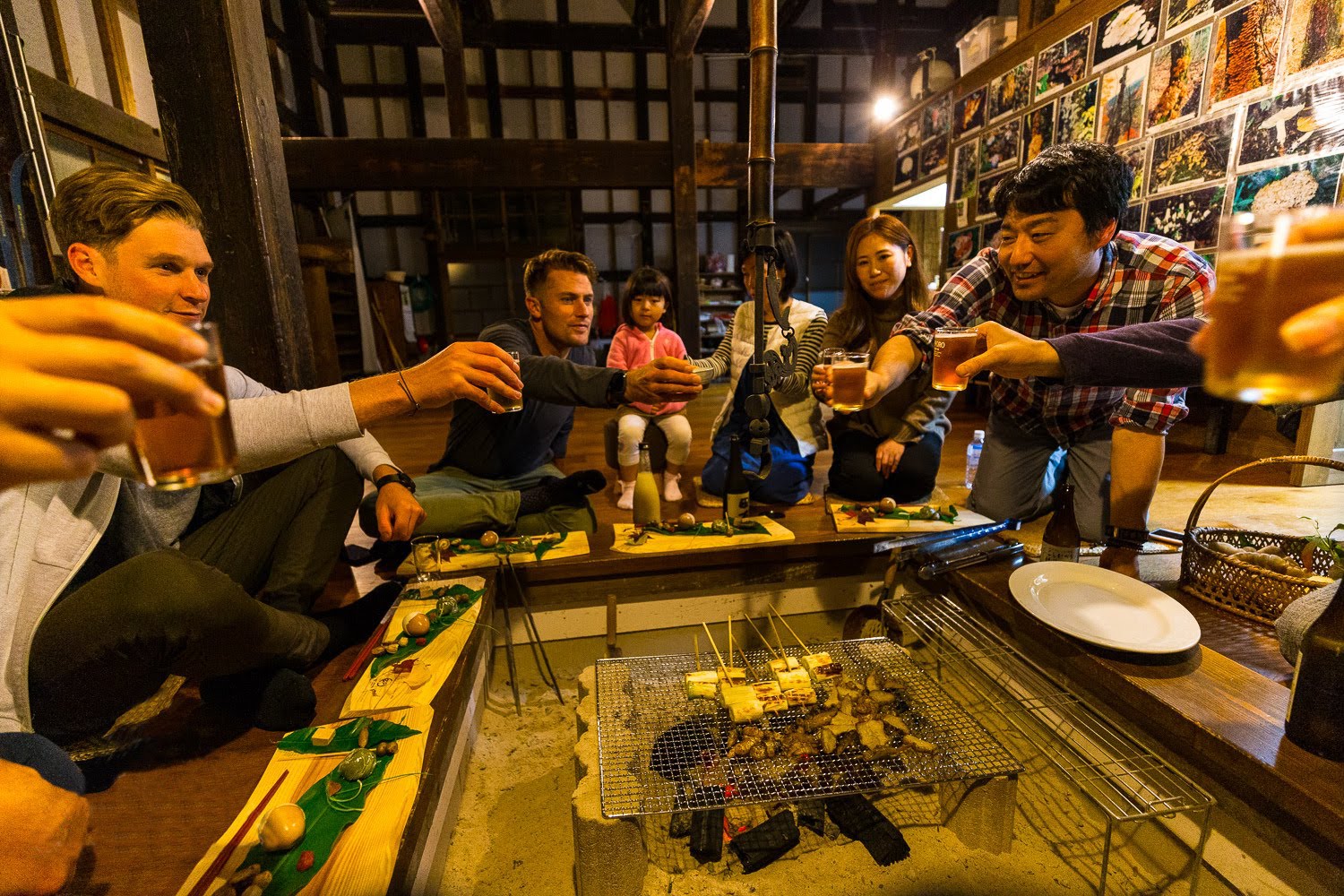
Once the cooking is done, gather around the table with the mothers and say “Itadakimasu” (Bon appétit). The taste of the freshly made rice, miso soup, and three side dishes you made yourselves is exceptional. During the meal, you can enjoy a lively conversation about local life, history, and parenting, spending a heartwarming time as if you were visiting a relative’s house in the countryside. Instead of relying on formal recipes, the “taste of home” and “warm memories” you learn with your body through conversation and the sensation of cooking will be the best souvenir of your trip.

Cooking Culture Tradition

[Experience] Learn how to make Sasadango, Niigata’s beloved traditional sweet
JPY 5400 / 1 Person (tax included)

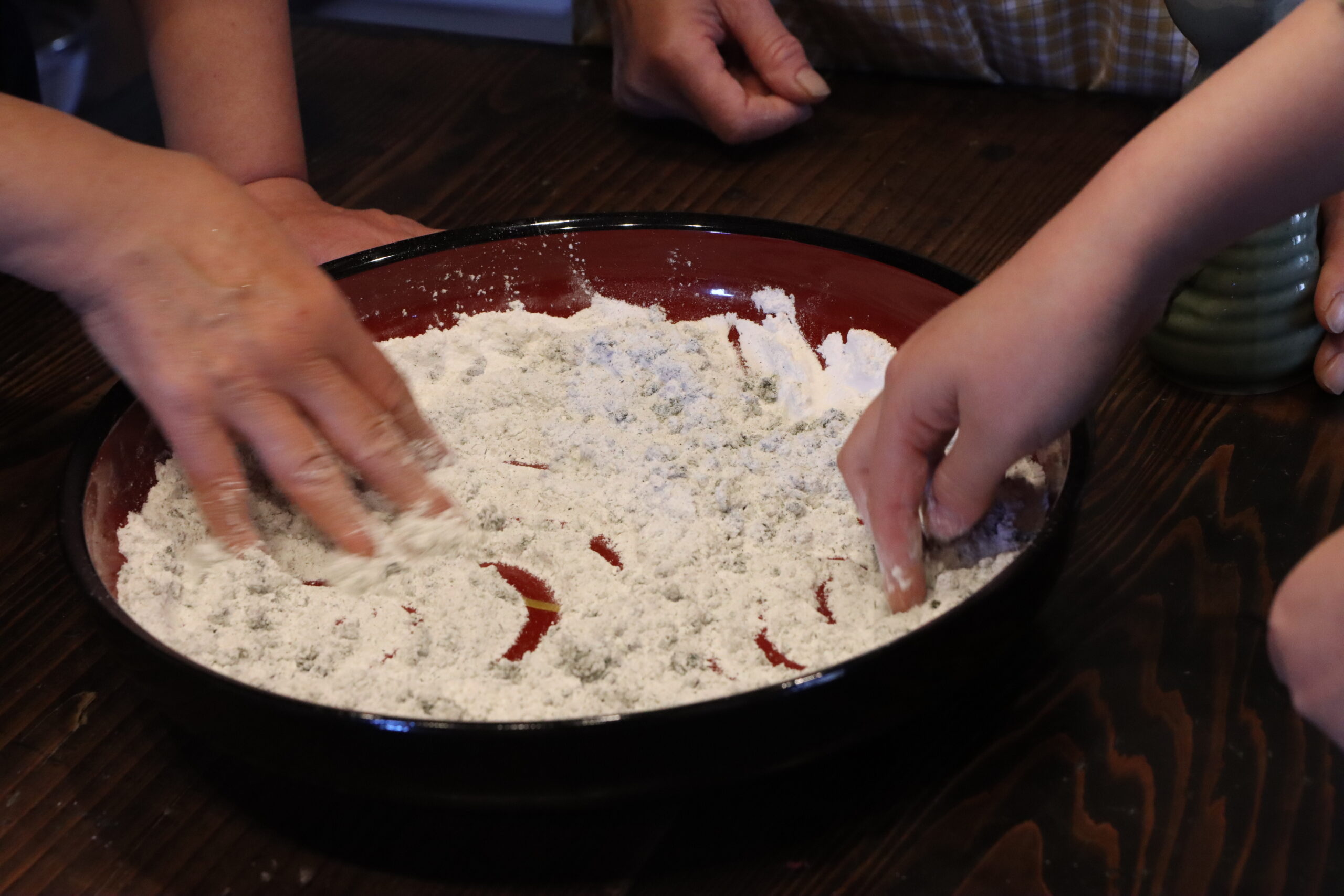
Learn how to make Sasadango from local People.

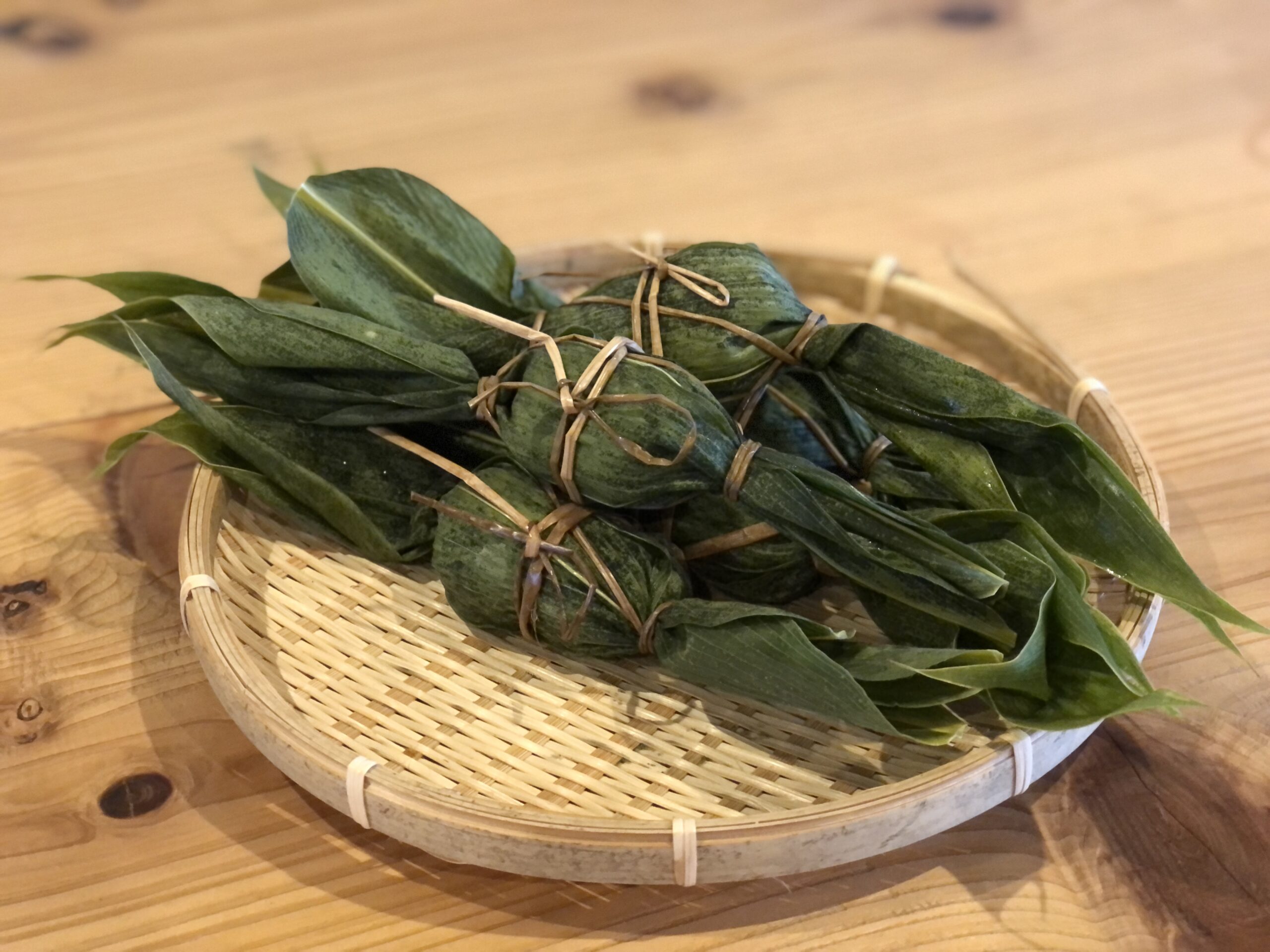
This tour is an experience program to learn how to make “Sasadango” Niigata Prefecture’s most beloved traditional food.

“Dango” are traditional sweet rice dumplings while “sasa” refers to broadleaf bamboo leaves. Therefore, “Sasadango” are sweet rice dumplings wrapped in broadleaf bamboo leaves.

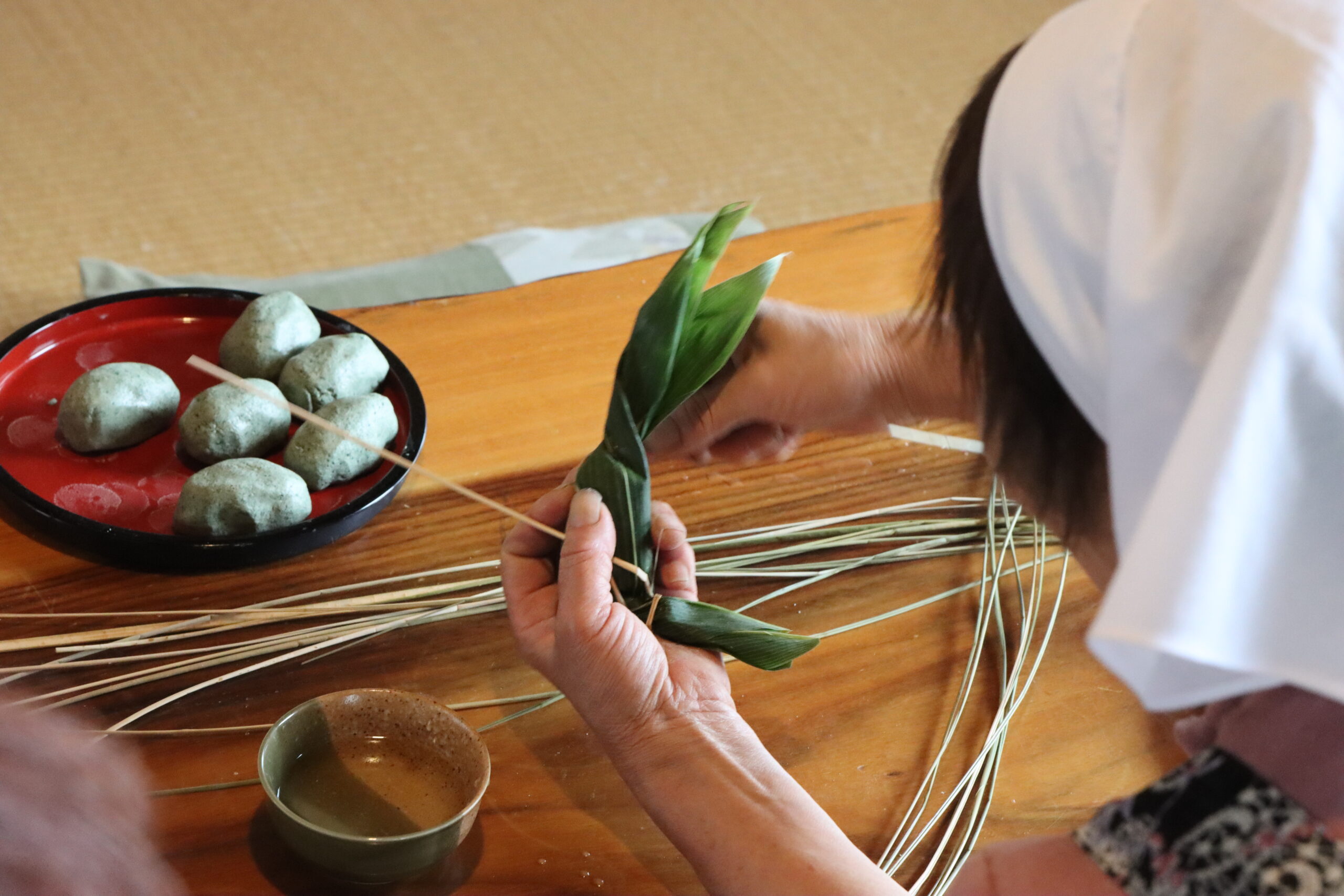
Learn how to make Sasadango from local masters and take the freshly steamed sweets you made! No doubt, adults and kids alike will enjoy this experience.

What is “Sasadango”?

Sasadango – rice dumplings with sweet bean paste and wrapped in fragrant bamboo leaves, are said to have been developed in the Sengoku period (15-16th centuries) as a preserved food and thought to have been invented by the famous Echigo (Niigata) warlord, Kenshin Uesugi. These dumplings are wrapped in bamboo leaves as it has excellent antibacterial properties.
At that time, it seems that simmered bean paste which was a daily staple, has been used instead of the sweet bean paste as it is now. Sasadango has been popular for a long time but now there are only a few people who make it and eating homemade Sasadango fresh out of the steam pan is a very valuable experience.

Taste the freshly steamed Sasadango you made!

In this tour, local masters will teach you how to make Sasadango from how to knead the dumplings, to wrapping in the red bean paste beautifully and finally, wrapping the dumplings with bamboo leaves and tying with a string called “igusa”. It’s truly a wonderful experience children and adults can enjoy. This homemade steamed Sasadango will have a slightly different taste than the ones brought at the store!

Sasadango can be kept for a short period of time due to the antibacterial property of the bamboo grass, making them ideal as items to bring home after a trip to Niigata Prefecture. So, how about joining a homemade Sasadango making class while here to enjoy this traditional local sweet?
[Experience] Making original hand woven accessories at a Kimono town

Half day tour: JPY 11,000 / 1 person; 1 day tour: JPY 16,000 / 1 person Tax included

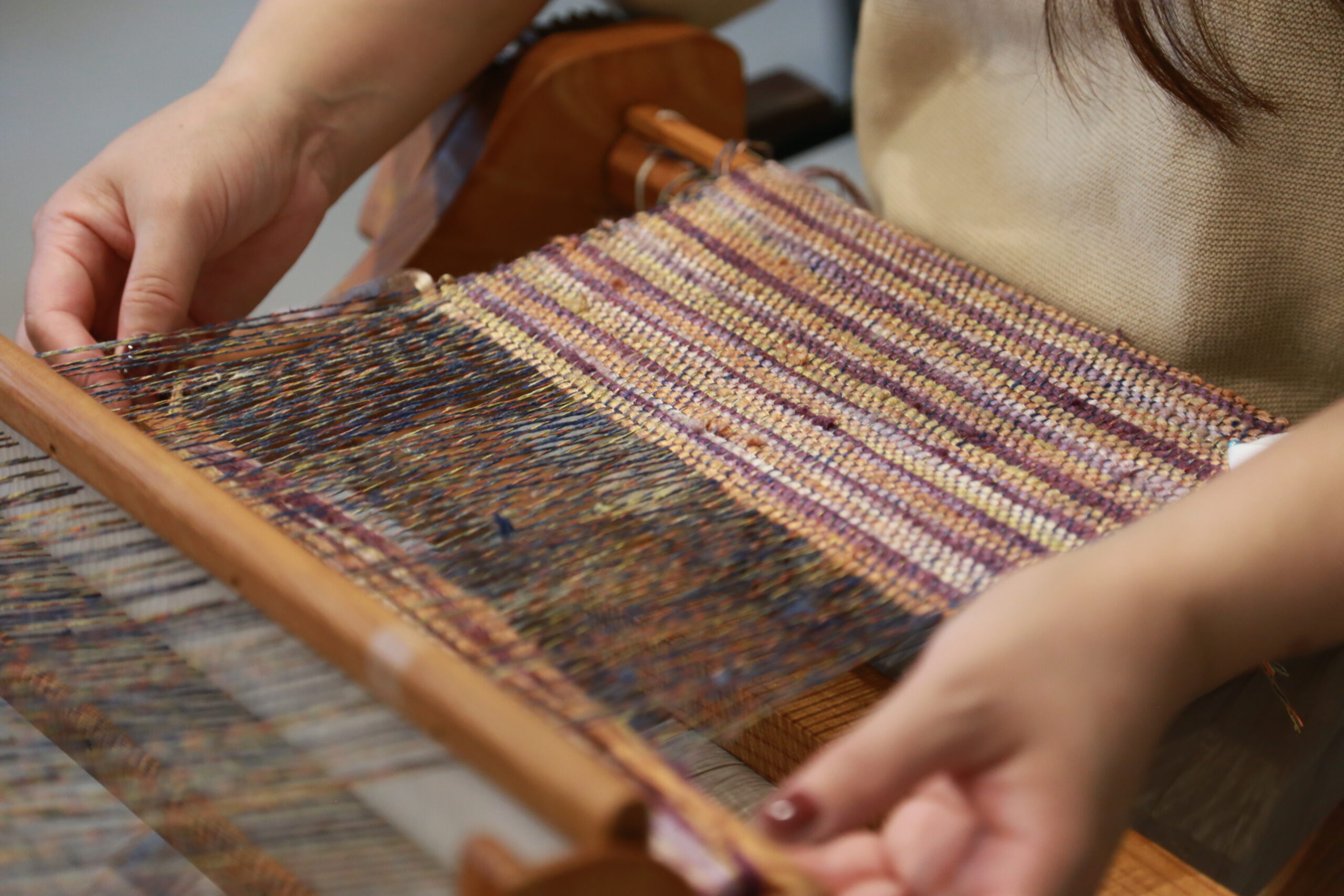
This tour offers a unique experience where you can make original placemats or a scarf using a traditional loom or weaving machine.

Tokamachi City in Niigata Prefecture is a known kimono town.
Weaving has been popular since the ancient times and it is still famous as a production center for high-class textiles. In the past, weaving was a part of life for the local people, especially during the snow covered winter months when women from the village gathered to spin and weave.

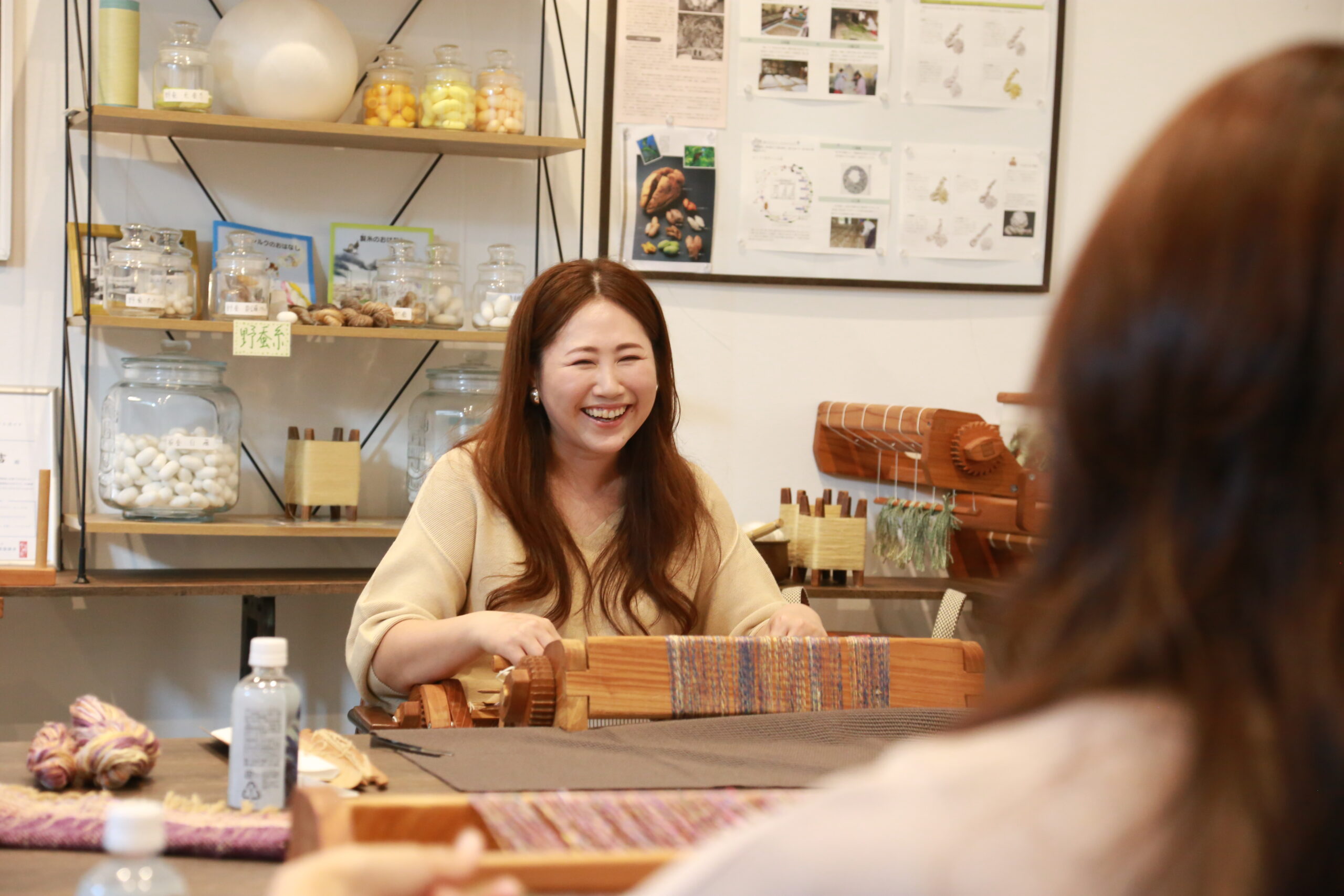
Let’s experience weaving in Tokamachi under the guidance of local textile craftsmen!
In this experience, we will use hand-woven loom that is easy to handle, a fine thread for the warp and a finely torn cloth for the weft.
Choose your favorite from the colorful threads and design your own color scheme!
How about making an original handwoven craft to remember your trip?

Tradition Craft Culture

[Experience] Traditional Craft: Fortune Doll "Chinkoro" Making

JPY 5400/ 1 Person (tax included)

Have a go at “Chinkoro” making. A traditional craft that is passed down generations in Tokamachi.


Colorful and Cute! Craft Your One-of-a-Kind Lucky Charm “Chinkoro”

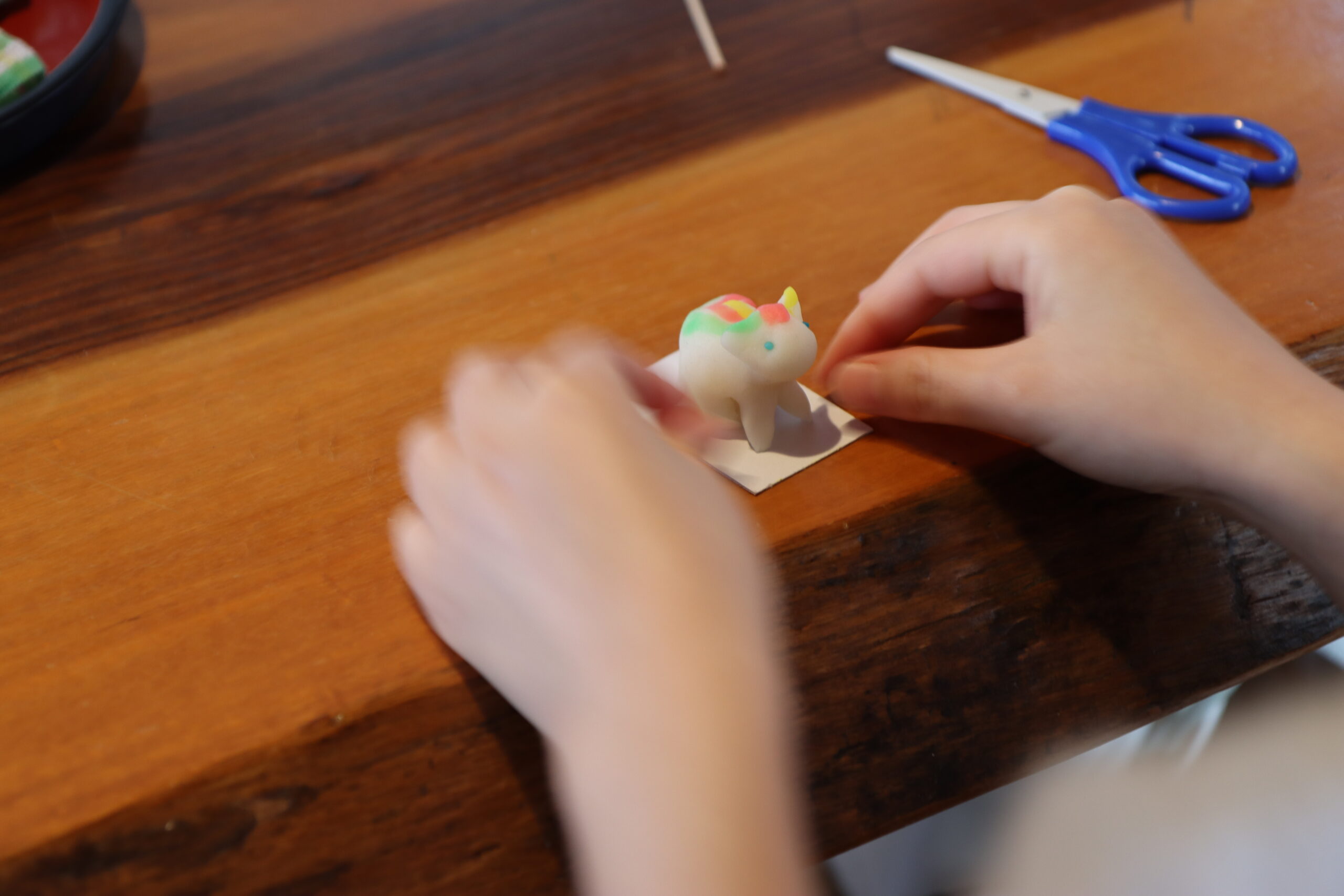
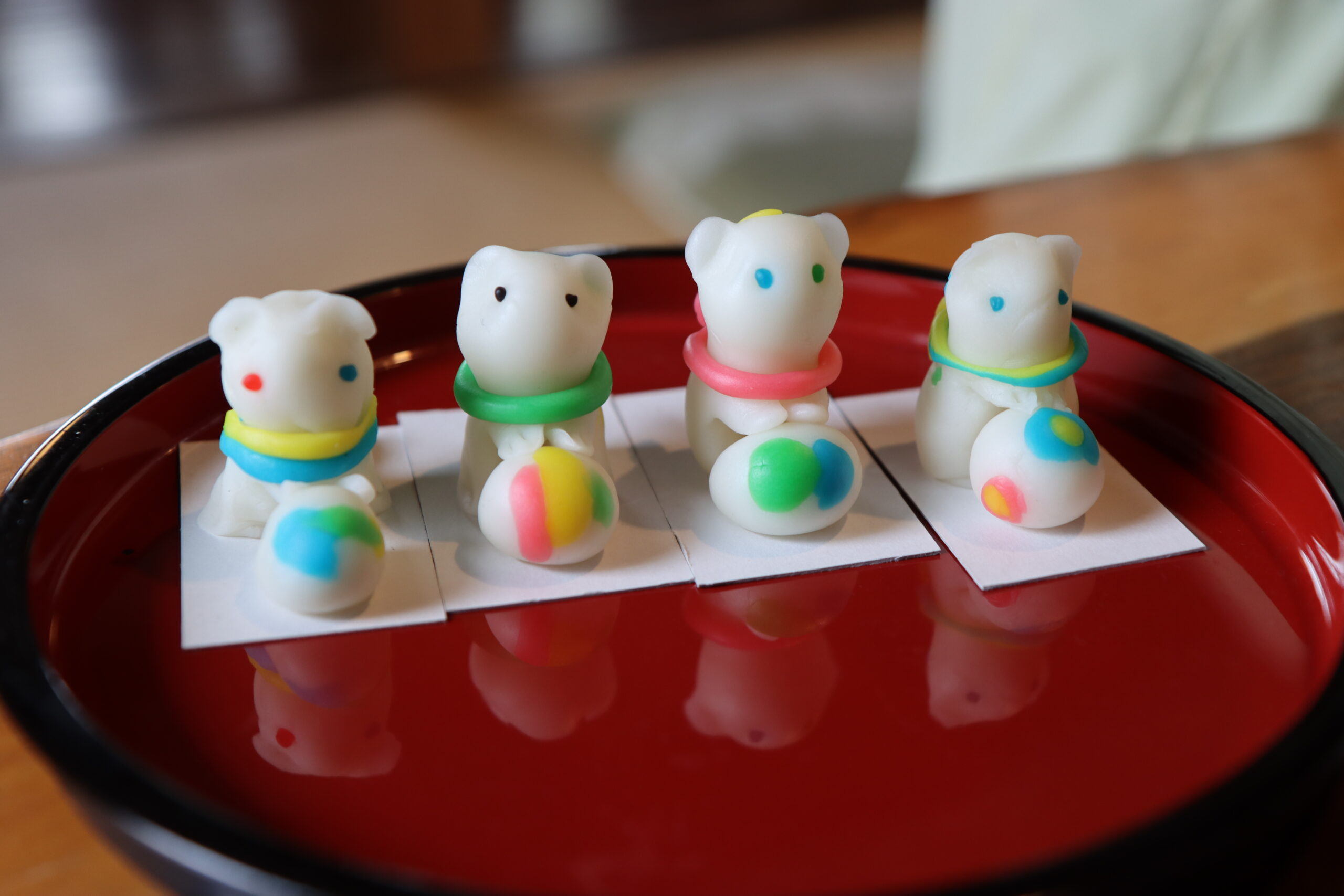
“Chinkoro” are traditional decorative dolls made from steamed rice flour (Shin-ko) that have been passed down for generations in Tokamachi City, Niigata Prefecture. In this experience, you will knead the soft, mochi-like dough, color it vividly with food dye, and shape it freely into the year’s zodiac animal, pets, or your favorite characters. No special skills are required; the charm of this activity lies in the ability to return to a childlike state of mind and immerse yourself in creativity, much like an arts and crafts class. These small dolls, beloved as a winter tradition in Tokamachi, reflect the creator’s personality in their expressions. Please enjoy the pleasure of bringing into the world a unique “Chinkoro” that is the only one of its kind.

“The More It Cracks, the Happier You’ll Be”: A Mysterious Tradition of the Snow Country

These adorable dolls come with a unique legend specific to the snow country. As the Chinkoro dries, fine cracks appear on its surface. While cracks are usually seen as a sign of damage, locals believe that “the more cracks appear, the more happiness will find its way in through them.” It is a rare cultural concept where breaking is considered an omen of good luck. The enjoyment continues even after the workshop; taking your creation home and watching the cracks develop over time is part of the experience. This small, fleeting, yet beautiful lucky charm is a special cultural heritage filled with the history of Tokamachi and the warm wishes of its people.

Just Like Playing with Clay! A Traditional Experience for Kids and Adults Alike

Creating Chinkoro feels very similar to playing with clay, making it a highly accessible activity that anyone—from small children to the elderly, regardless of nationality—can easily enjoy. Local masters and guides will kindly teach you the tricks of the trade, so even those who don’t consider themselves dexterous can participate with confidence. Gathering around a table with family or friends, chatting about what shapes to make or laughing at each other’s unique creations, makes for a wonderful travel memory. You can take your finished Chinkoro home as a souvenir. Decorate your home with this happiness-bringing doll along with the memories of your journey.

“Chinkoro” is a famous traditional art form originating from Tokamachi. “Chinkoro” is the local term for “puppy”, and is a doll of a puppy made from rice flour.
It is made during the New Year celebrations, and if it cracks apart it is believed to bring good luck!

Culture Craft

[Experience] Traditional sandal "Zori" craftwork (Making straw/cloth sandals)

Straw sandals: JPY 6200 / 1 person; Cloth sandals: JPY 6500 / 1 person (tax included)

Upcycling Colorful Fabrics! Create Your One-of-a-Kind “Zori” Sandals

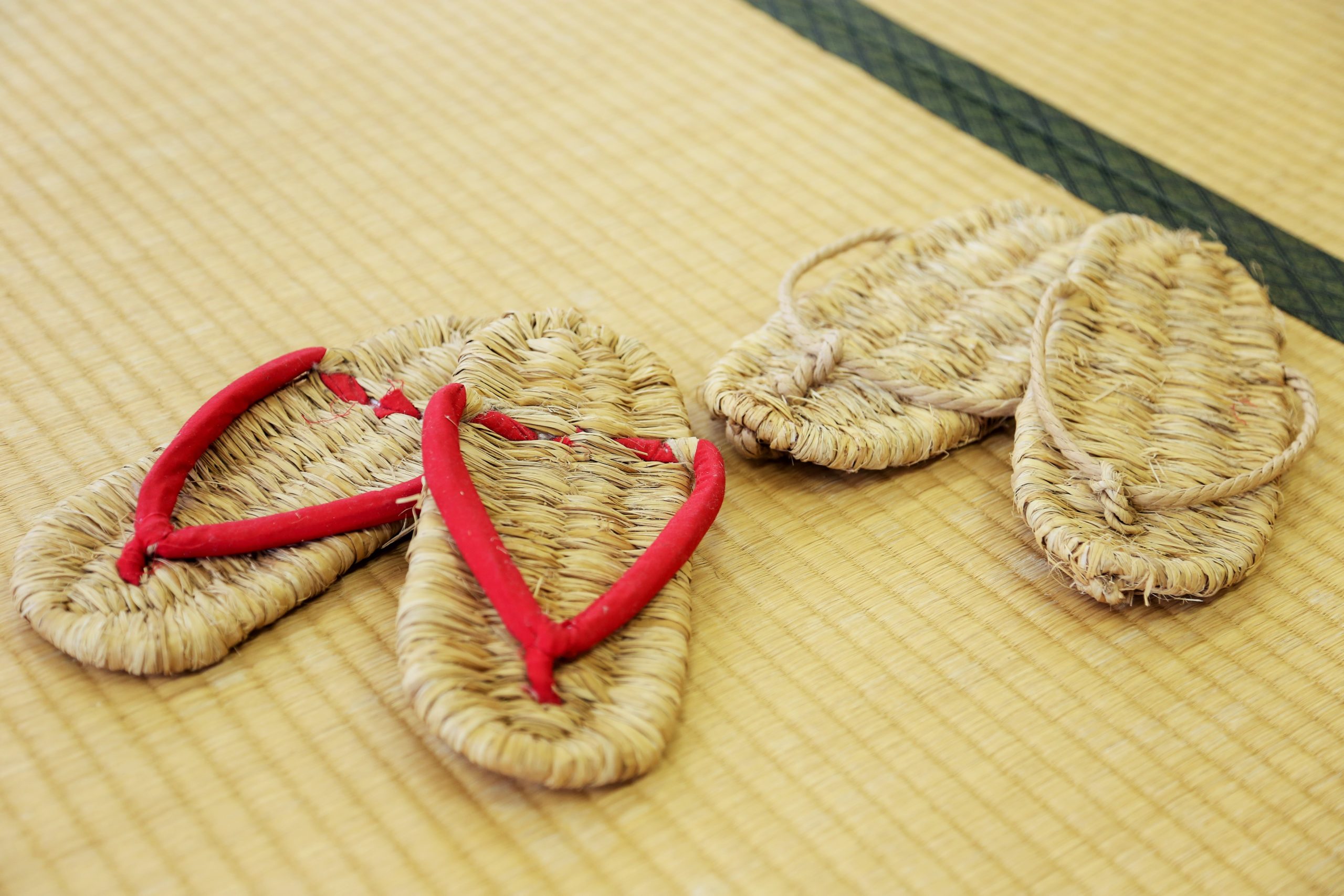
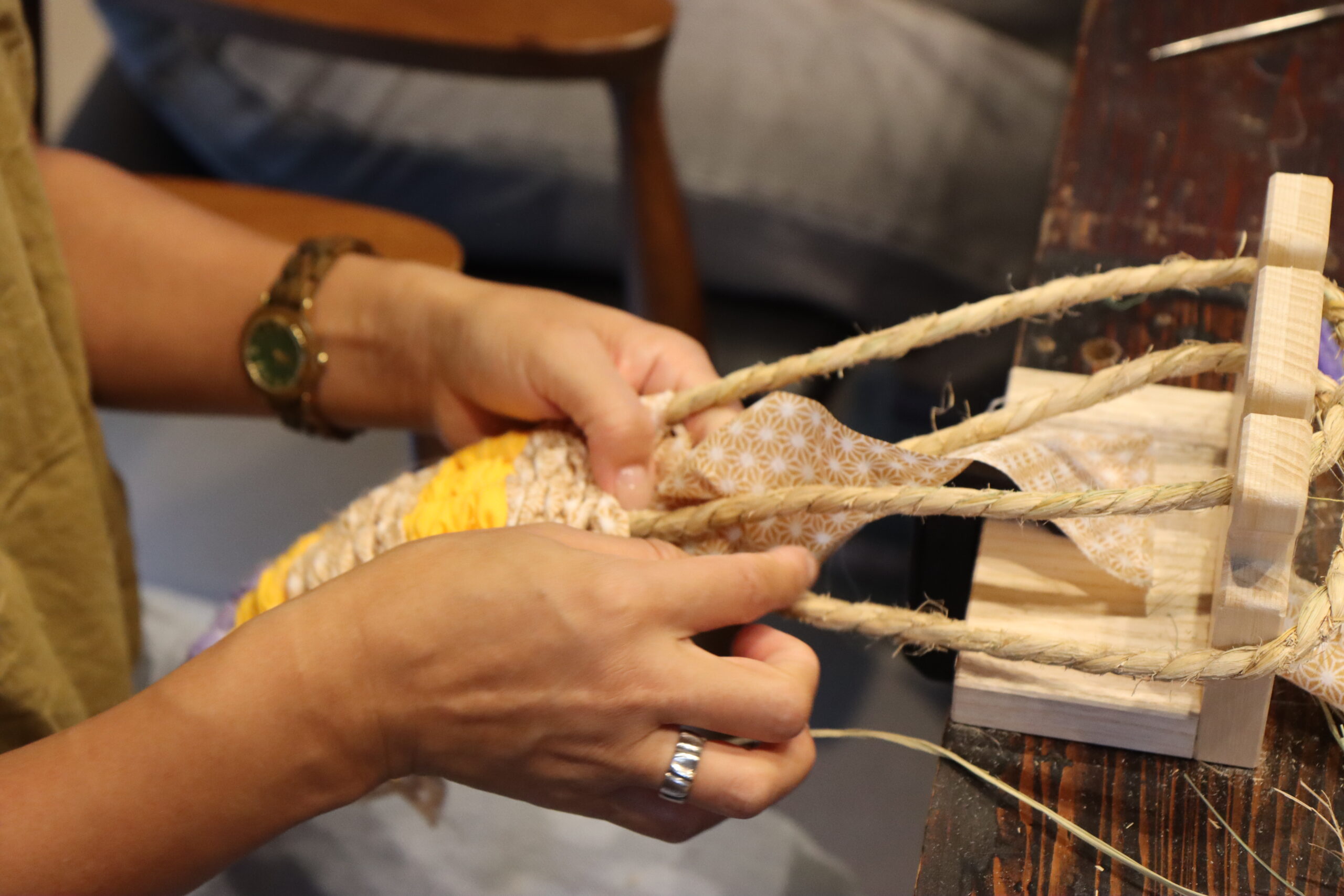
You can choose to make either authentic “Wara-Zori” (straw sandals) using real rice straw or “Nuno-Zori” (cloth sandals) woven from colorful strips of old cloth. The cloth sandals, in particular, are an upcycled craft that reuses scraps from old kimonos and clothes. The joy of freely combining your favorite colors and patterns from the wide variety of prepared straps and fabrics is exceptional. Whether you want a chic look or a pop design, the possibilities are endless depending on your taste. The process of weaving the materials and watching the sandals gradually take shape is so engaging that you will forget the passage of time.

Experience the Wisdom of the Snow Country: “Winter Handicrafts” with a Master

In Tokamachi City, Niigata Prefecture, an area known for heavy snowfall, people historically engaged in “Fuyu-shigoto” (winter handicrafts) during the snowbound winter months. Unable to farm, they would weave straw indoors to make daily necessities and earn a living. In this experience, a local “Straw Craft Master” with decades of experience will be your teacher, providing direct guidance. The master’s hand movements are as brilliant as magic and are moving just to watch. While being taught the tricks gently and carefully, listening to stories about the region’s history and lifestyle feels like a warm exchange around a hearth, offering more than just a crafting session. You will feel the resilience rooted in the snow country lifestyle and the warmth of handiwork.

Ultimate Comfort! Use Them as Healthy Room Shoes

Naturally, you can take the sandals you worked hard to weave home with you. The comfort of wearing sandals you made yourself is exceptional; they offer a fit that clings to your feet and provide a pleasant stimulation to the soles that only handmade items can offer. Cloth sandals, in particular, are soft to the touch and have excellent moisture absorption, making them perfect as “healthy room shoes” (slippers) for modern lifestyles. Since they are washable (in the case of cloth sandals), you can keep them clean and use them for a long time. Every time you wear them at home, they will be a special pair that brings back memories of your trip to Tokamachi and the sense of accomplishment from creating them.

Nature History Culture Gourmet

[3D2N] Tokamachi Tanada Treks May–Nov

From JPY 102,000 / 1 person

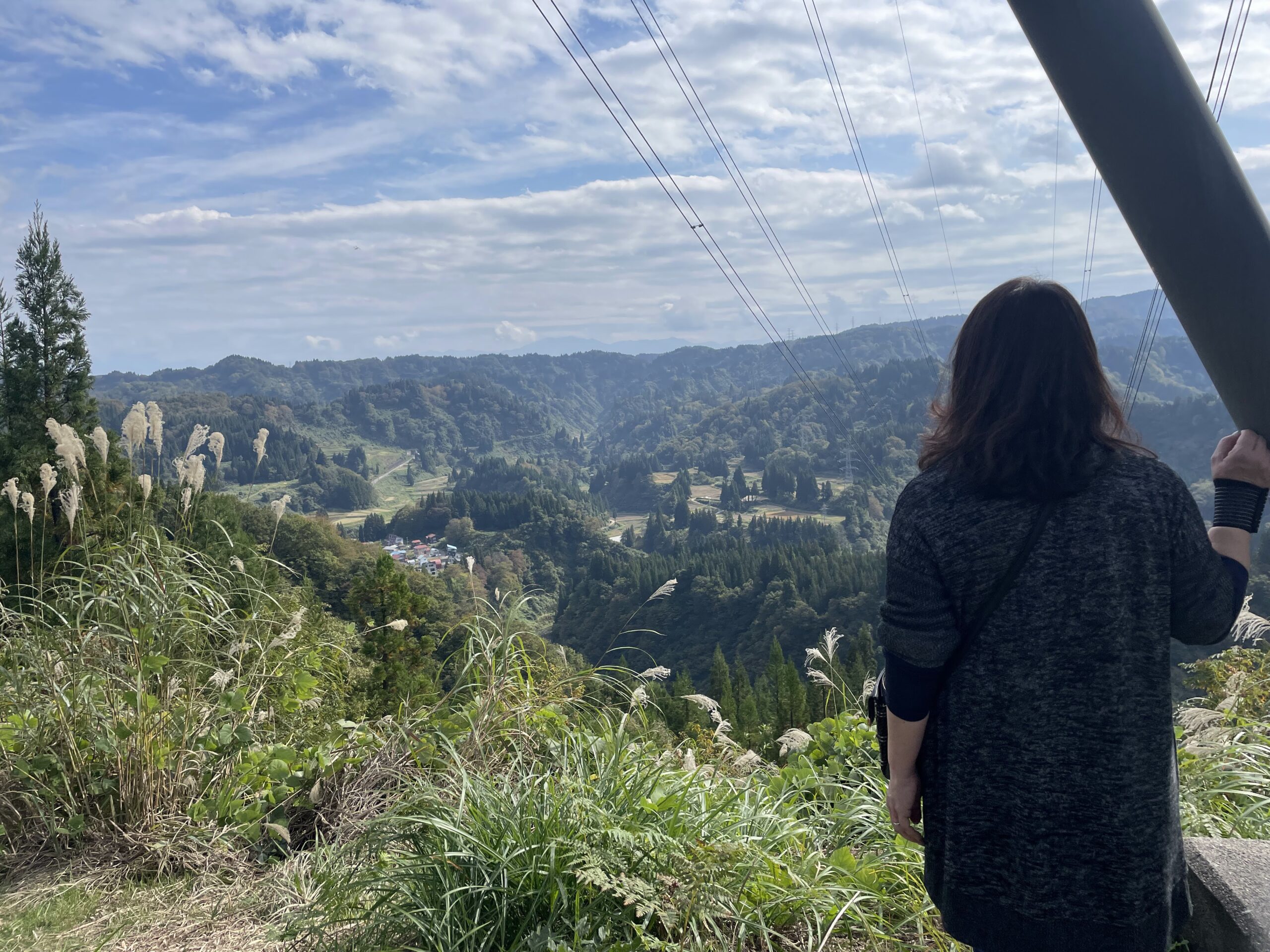
Trekking in an area that looks like a painting of the “real” Japan; experiencing the rich history, culture and beautiful scenery of this area.

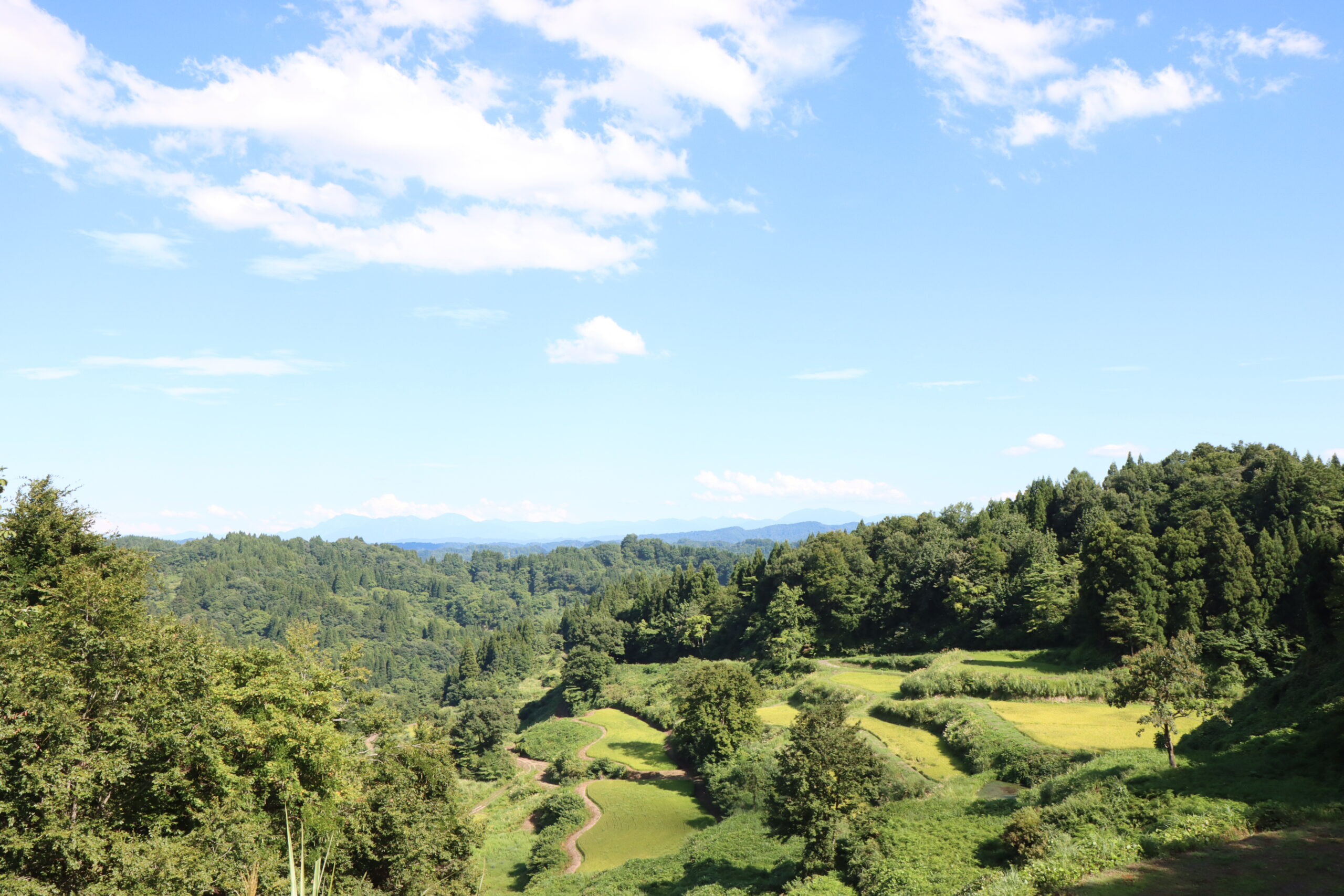
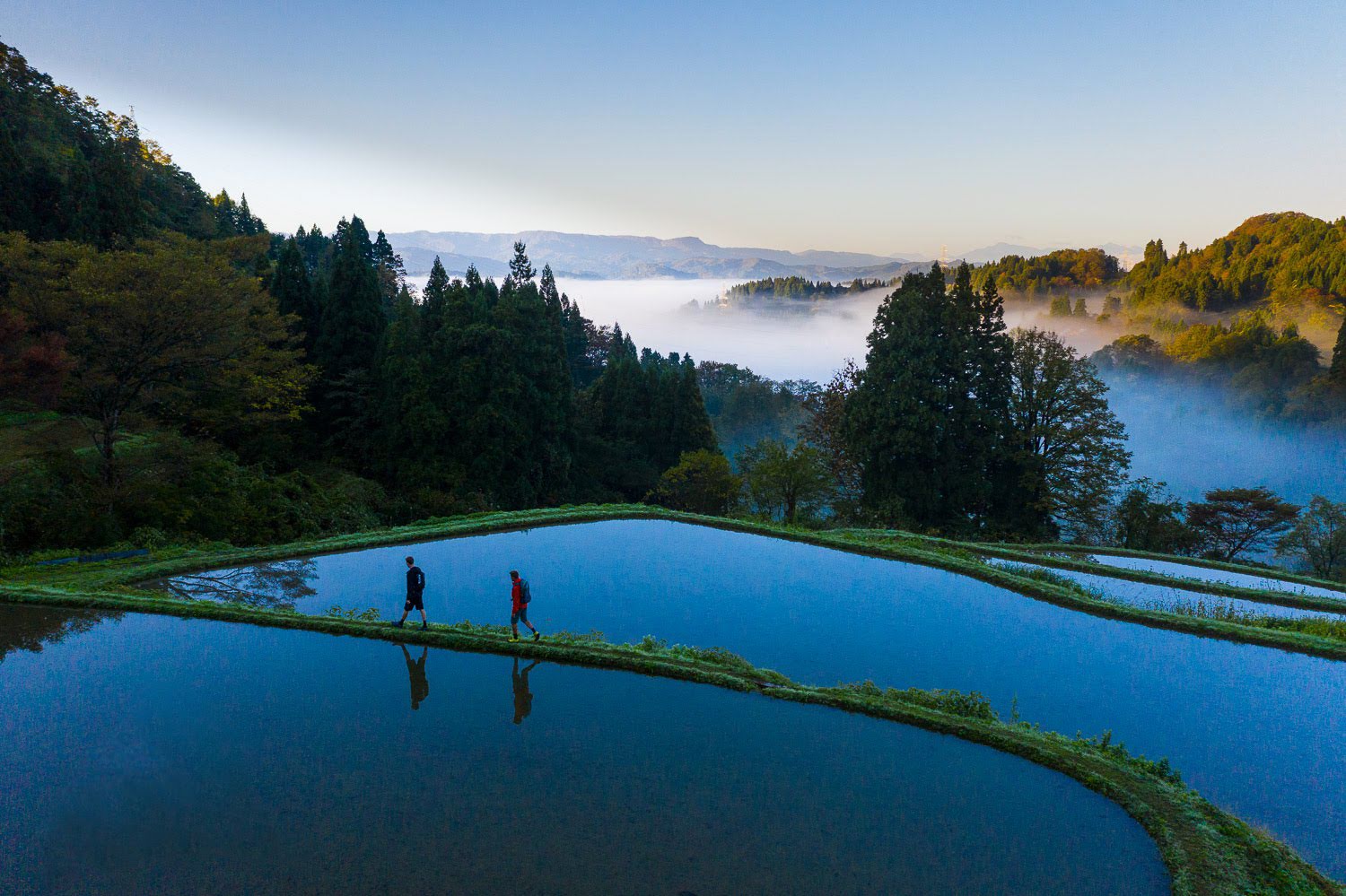
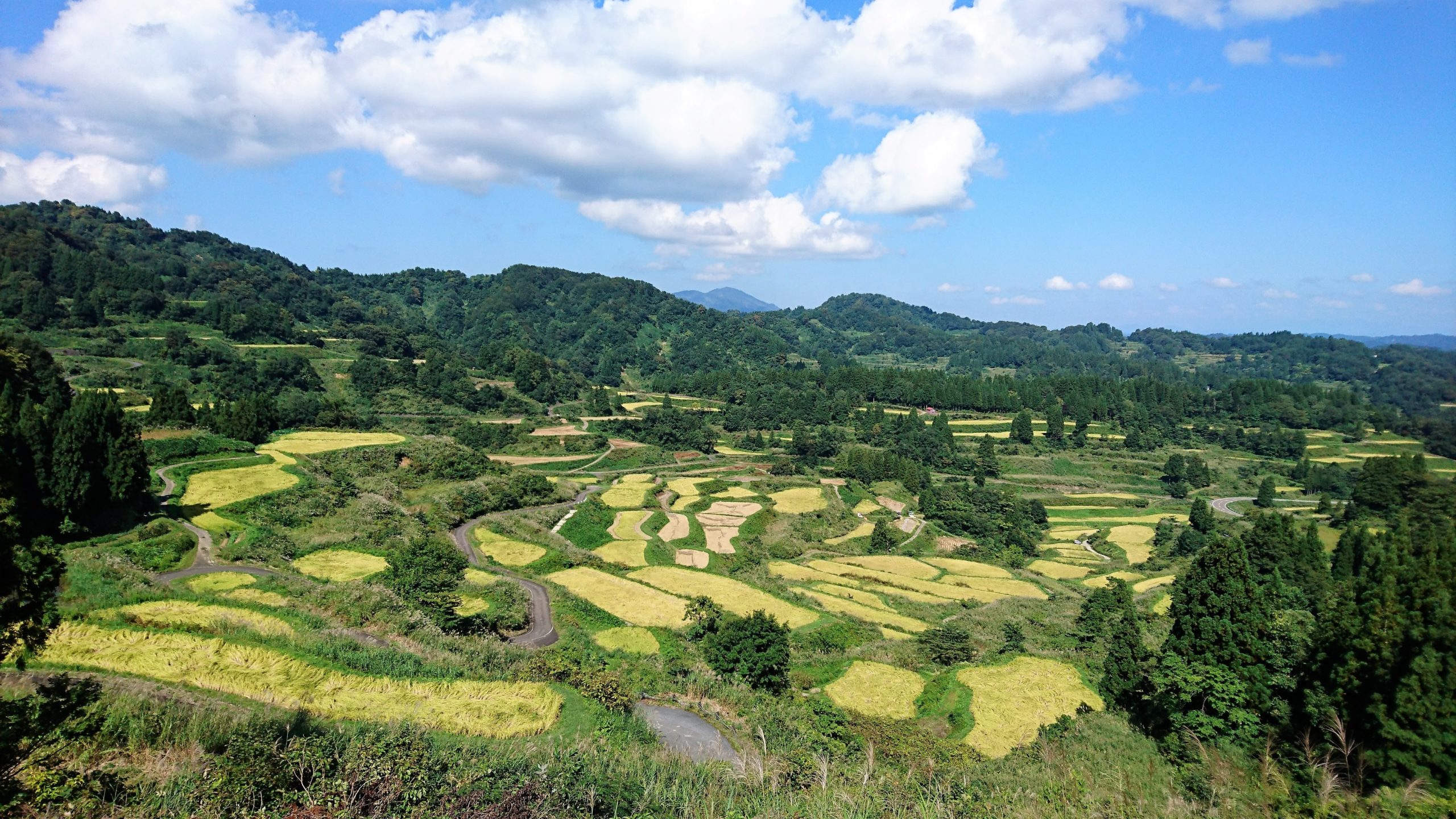
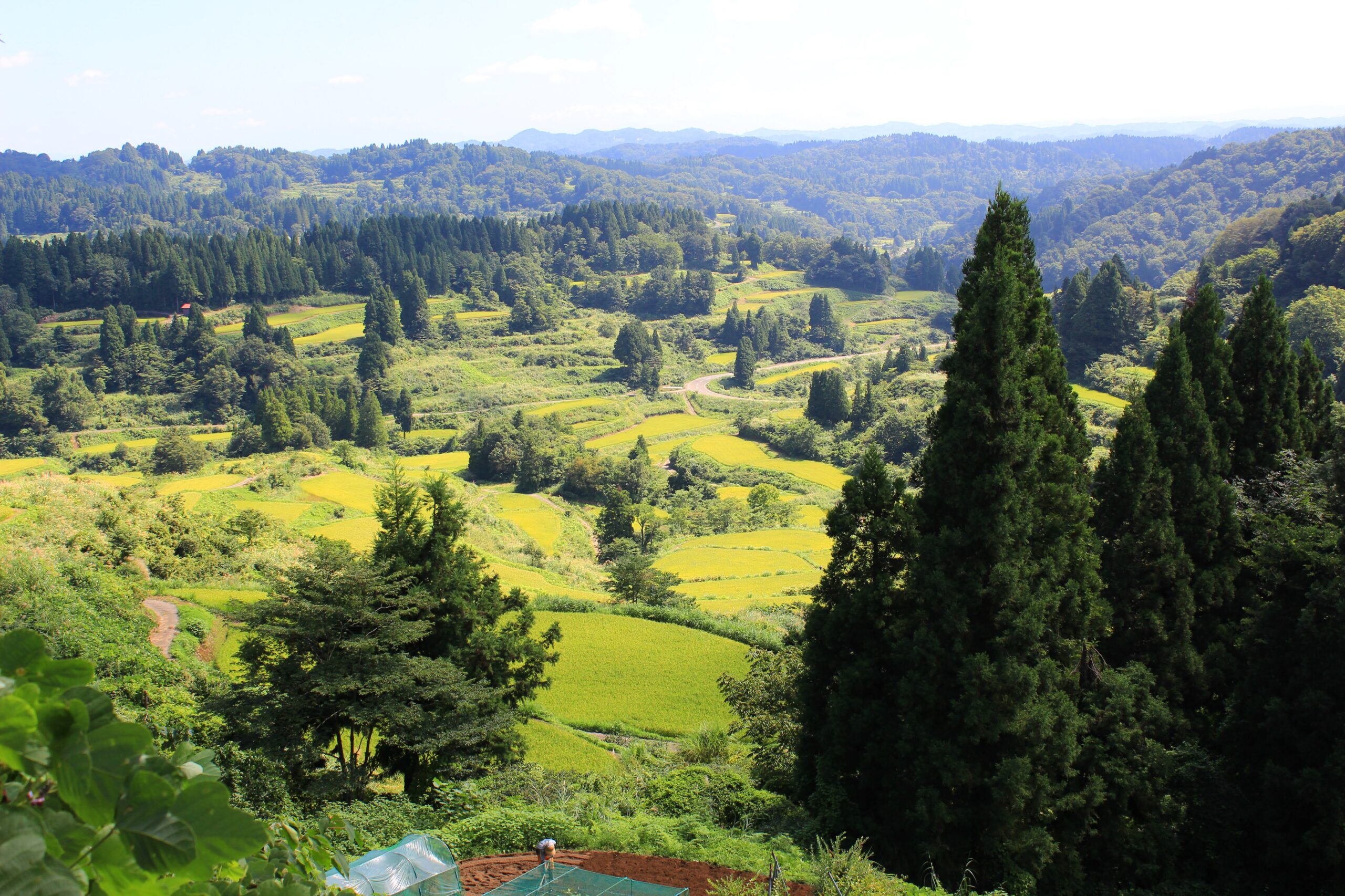
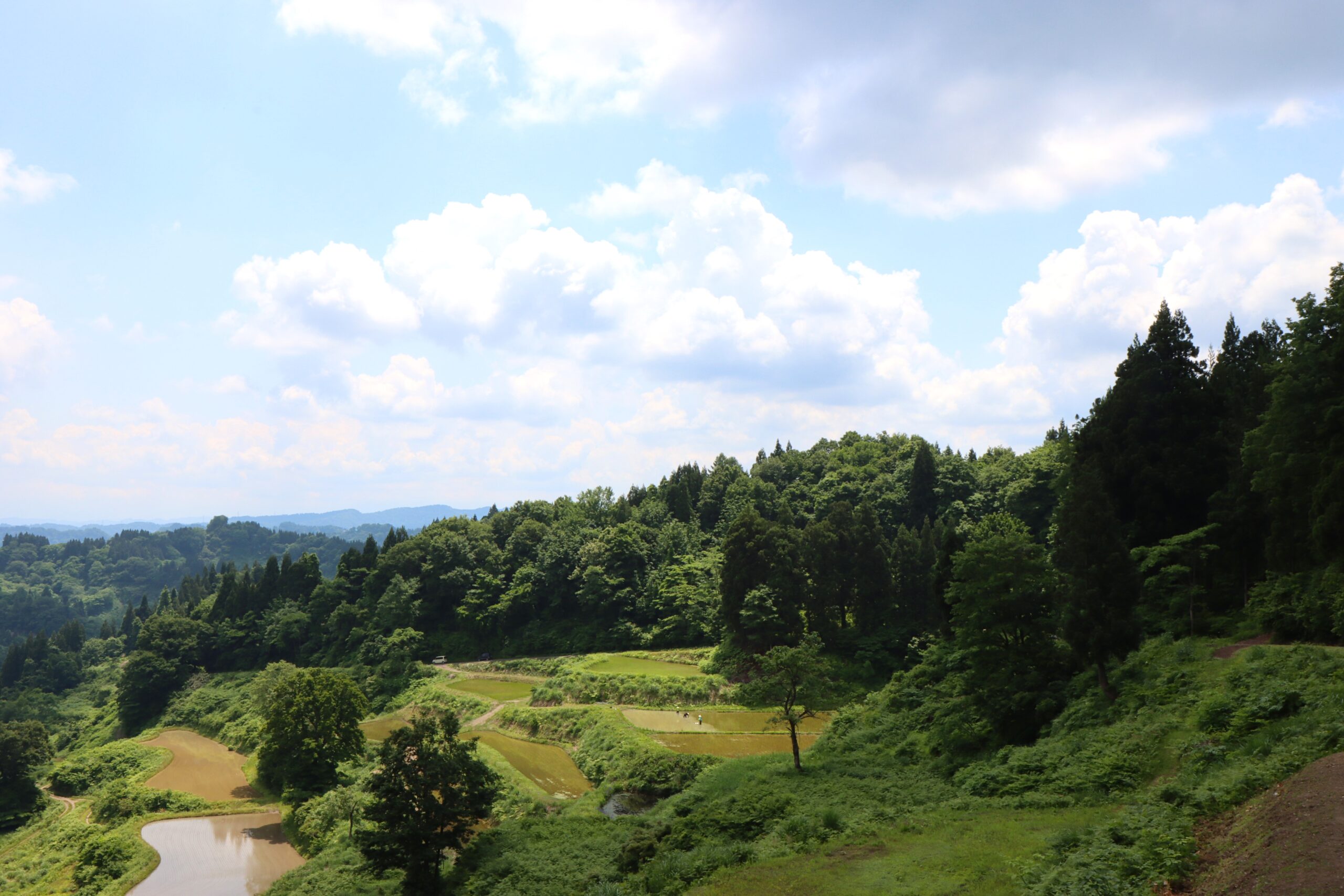
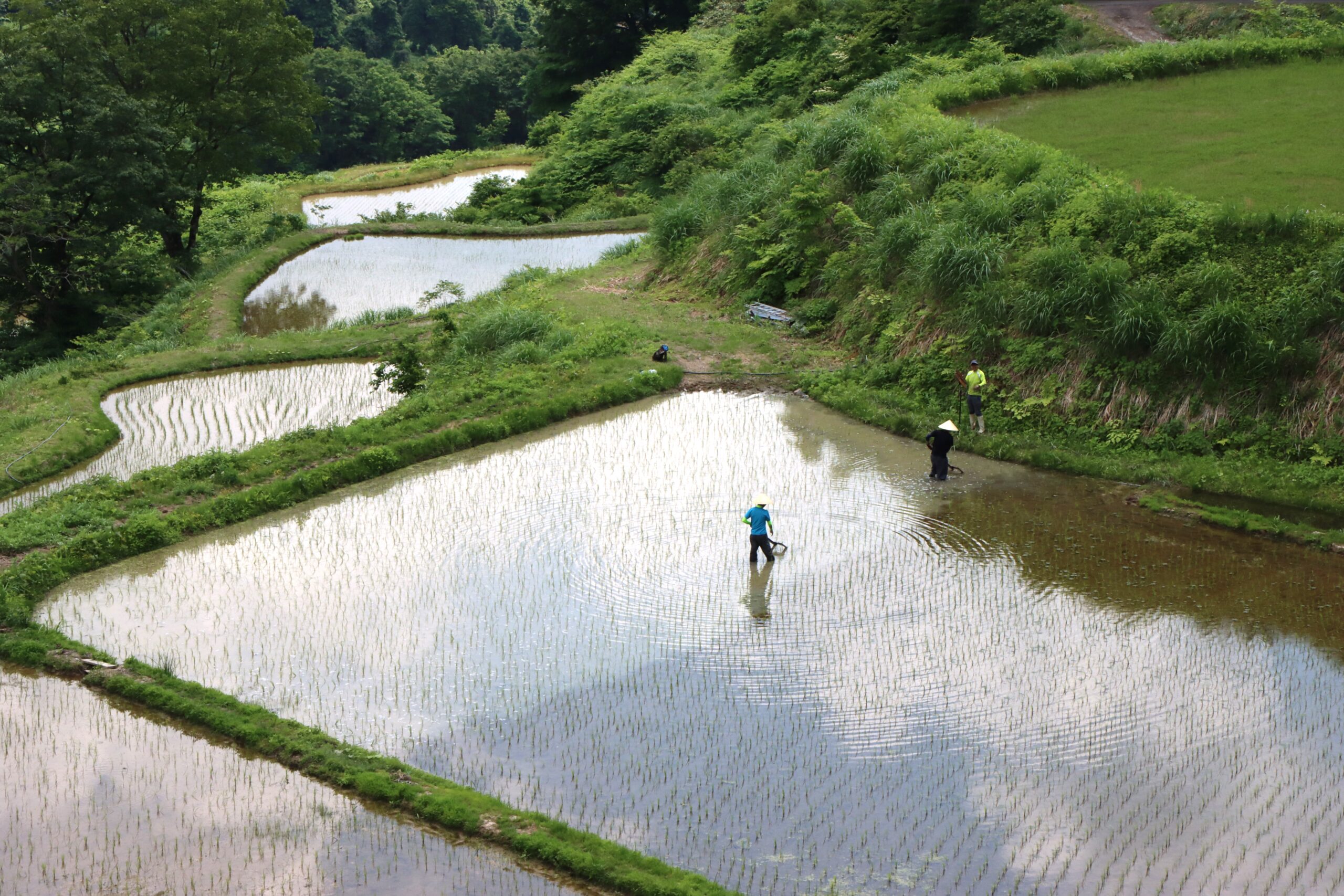
The terraced rice fields in the mountains of Japan are a symbol of its history and culture. The records from the past show how people in this area of heavy snow built stair-like rice fields; they also show how hard-working these people were.

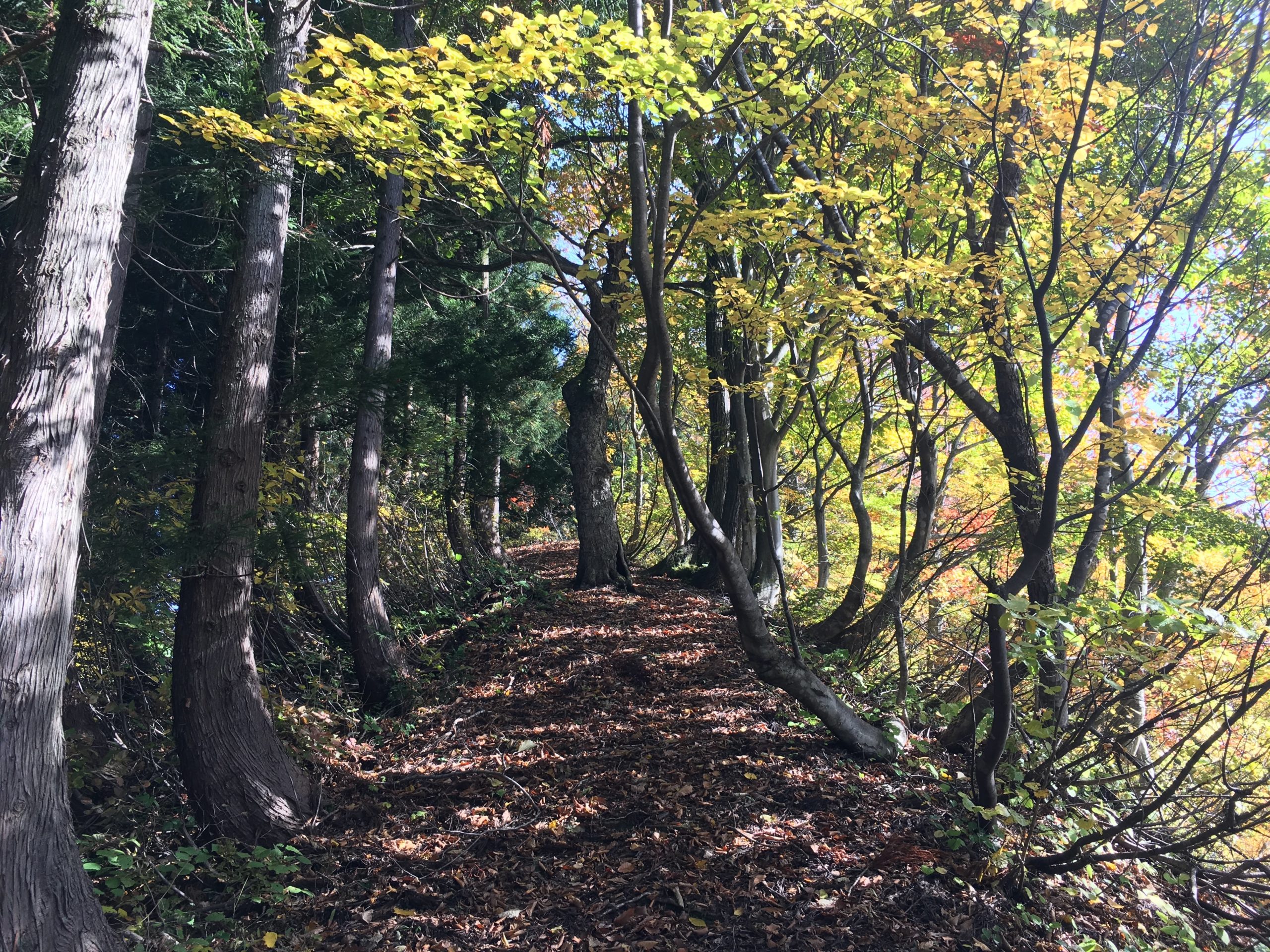
Walking on the paths between the terraced rice fields, with deep forests and unmistakable cedar trees standing alongside, you encounter some of the most beautiful scenery in the country.

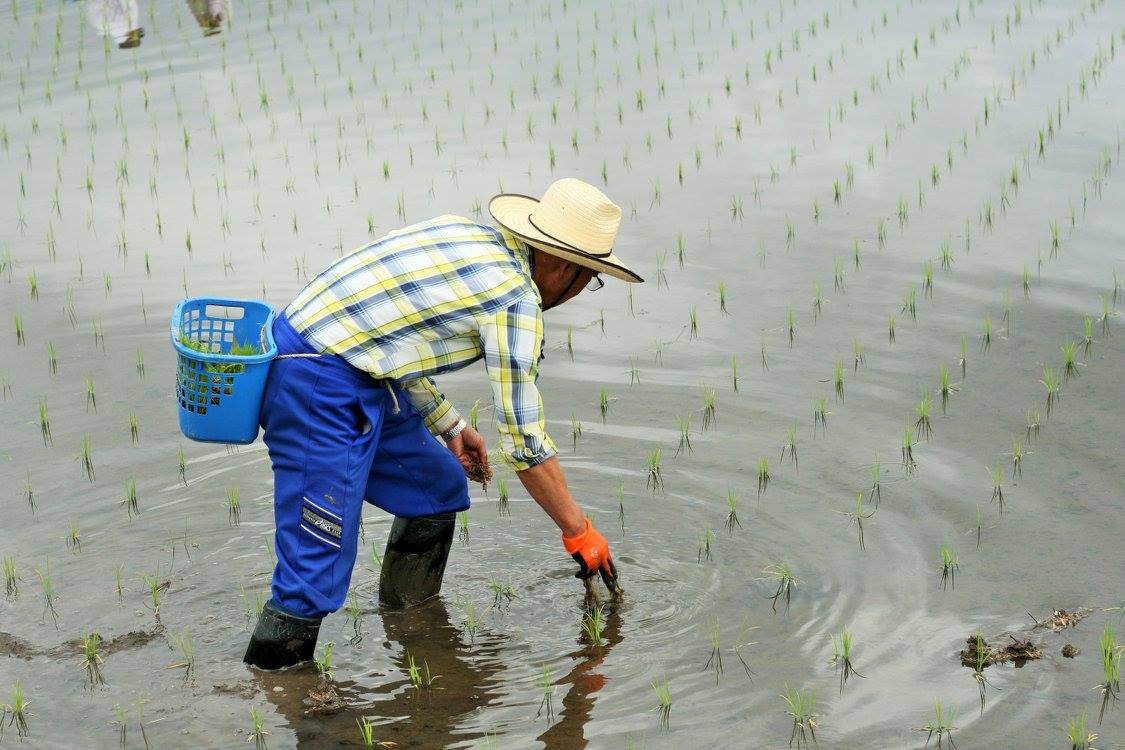
Experience history and culture first-hand through experiences such as cooking and crafts while interacting with local people. (Depending on the season/availability.)

Outstanding local cuisine, and unforgettably warm hospitality await our guests.


Outline

1. The old samurai road

The trekking route from village to village runs along portions of the Uesugi Gundo (military road), also known as the Kodo Matsunoyama Kaido (the old Matsunoyama Road), that runs from Joetsu City to Tokamachi.

Walking along these trails, you feel the history: the peasants who worked and lived here, the merchants carrying goods, the trails that were the roads, often to battle, for the local warlord’s troops.

Also, you will see the most beautiful and historic rice terraces in all of Japan.

2. Experienced, dedicated guides

This is a private tour, with a dedicated, local guide who can lead guests along the trails with explanations in English. Only on this tour will you be led to places that ordinary visitors could not access.

3. Sophisticated accommodations

Local accommodations are available for one to multiple nights. These high-end lodgings include sophisticated onsen (hot spring inns), and a holiday house tucked between the fields that provides an outstanding chance to interact with locals.

*Our basic plan is 3 days 2 nights, but you can arrange other itineraries according to your request.

4. Local cuisine

Fine dining is a key point of the tour, with gourmet meals featuring unique and delicious local specialties and the best ingredients of the season and the region.

5. Cultural programs

Apart from the trekking, a variety of other programs are available to experience the life and culture of the people living in this mountainous rural area. For example, 

Snow Nature Culture

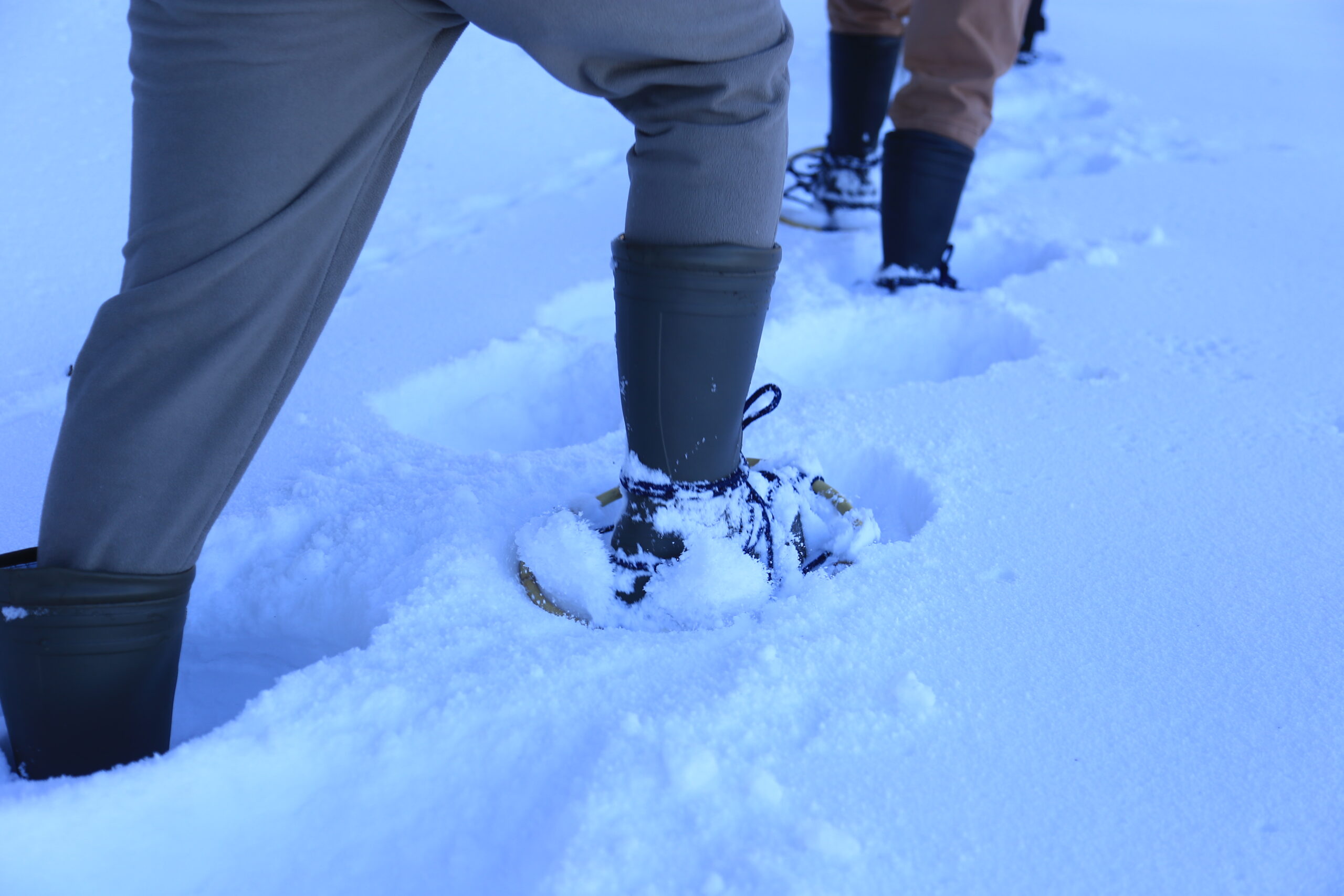
[Experience] Rice Terraces "Kanjiki" Snowshoe Walking with Tea Time on the snow

6,100yen per person (Incl. tax)

Scenic Walk Through Rice Terraces in a World of Silver

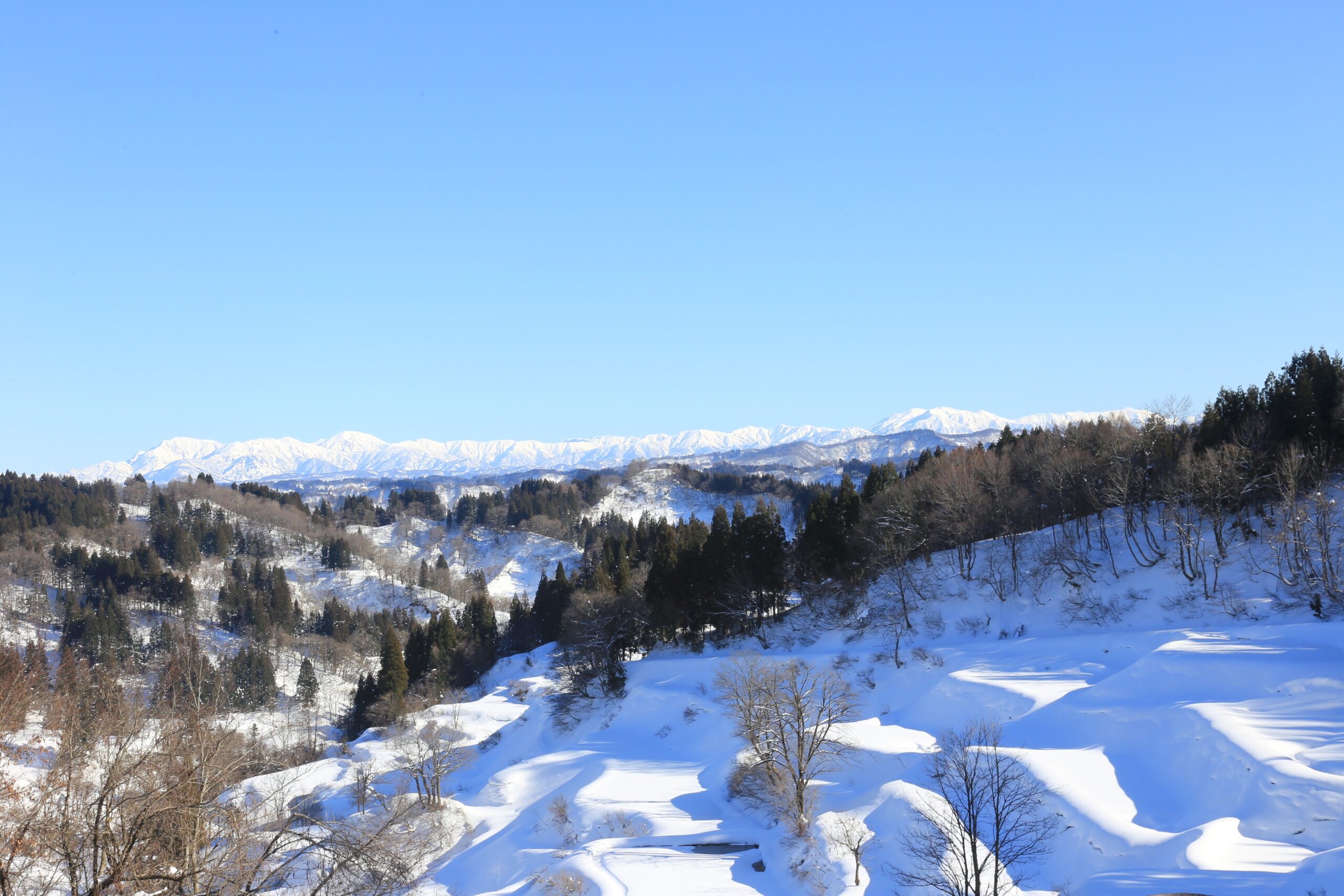
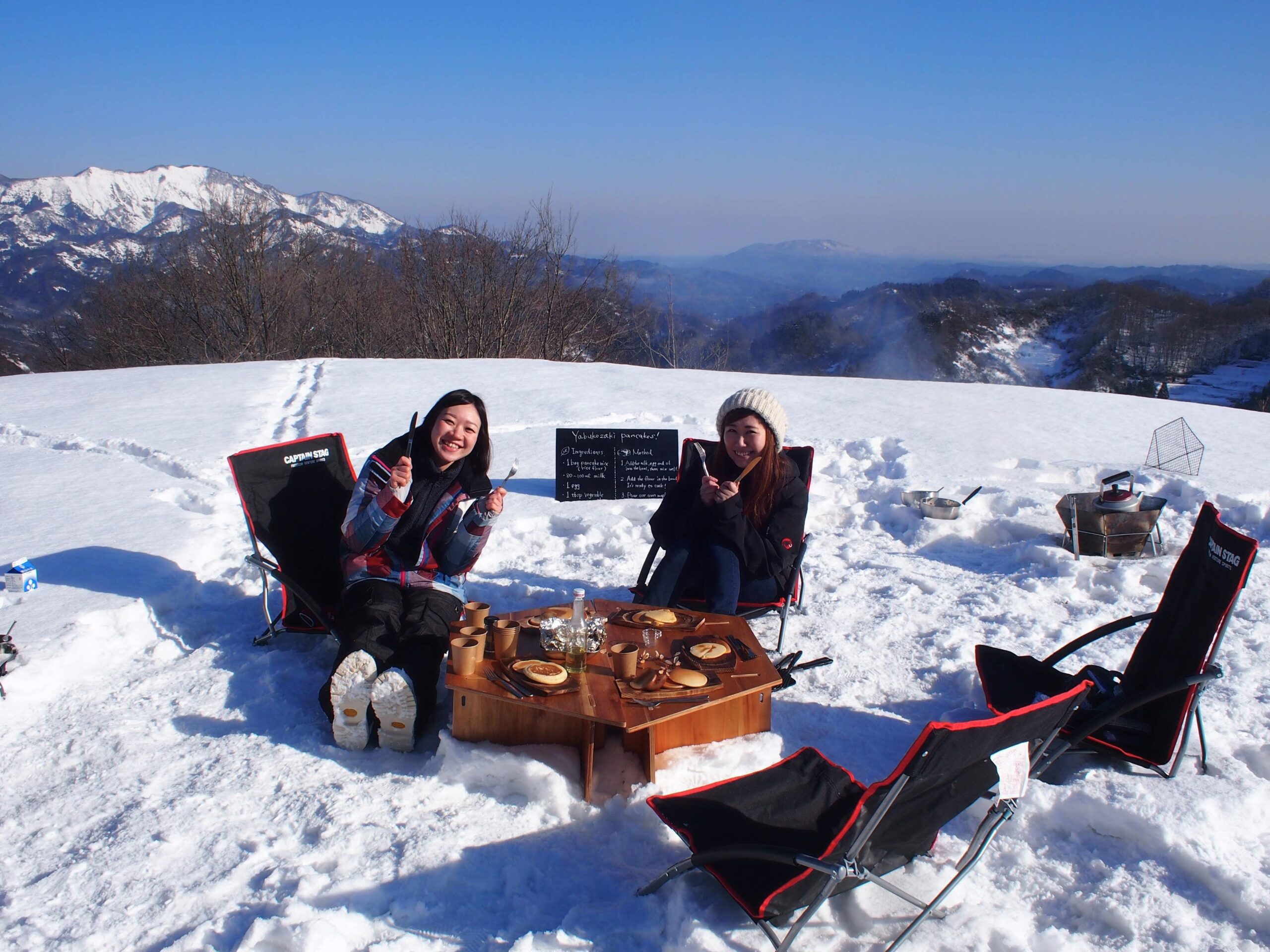
Tokamachi City in Niigata Prefecture is known as one of Japan’s heaviest snowfall areas. The rice terraces (Tanada), which wave with lush greenery in the summer, are completely transformed in winter, buried under meters of snow to become a mystical, silver world resembling an ink wash painting. In this experience, you will strap on “Kanjiki” (traditional Japanese snowshoes)—a folk tool that has served as people’s feet in this snowy region since ancient times—and step into this fantastic landscape. Enjoy the unique walking sensation of these traditional tools, which differs from modern snowshoes, as you satisfy your sense of adventure by treading on fresh, untouched snow. You will venture deep into the heart of the terraces, areas usually inaccessible due to deep snow, and have the 360-degree panoramic view of the silver world and the beautiful, undulating curves of the terrain all to yourself. It is a special experience available only in this season.

Discover the Satoyama Lifestyle with a Local Guide

The appeal of this tour goes beyond a simple walk on the snow. By exploring the rice terraces and the surrounding Satoyama (village forests) with a knowledgeable local guide for about an hour, you will touch upon the deep charm of this land. The guide will provide easy-to-understand explanations about the wisdom ancestors developed to survive the harsh winters, as well as the essential roles the beautiful rice terraces play in water control and ecosystem conservation. Through the guide’s eyes, you will also discover many signs of nature that you might otherwise miss, such as the footprints of small animals left on the snow or winter buds of trees waiting for spring. Even in the seemingly silent snowfield, you will be able to feel the pulse of the local lifestyle that has been passed down through generations and the vibrant workings of nature.

A Special Tea Time Amidst the Snow

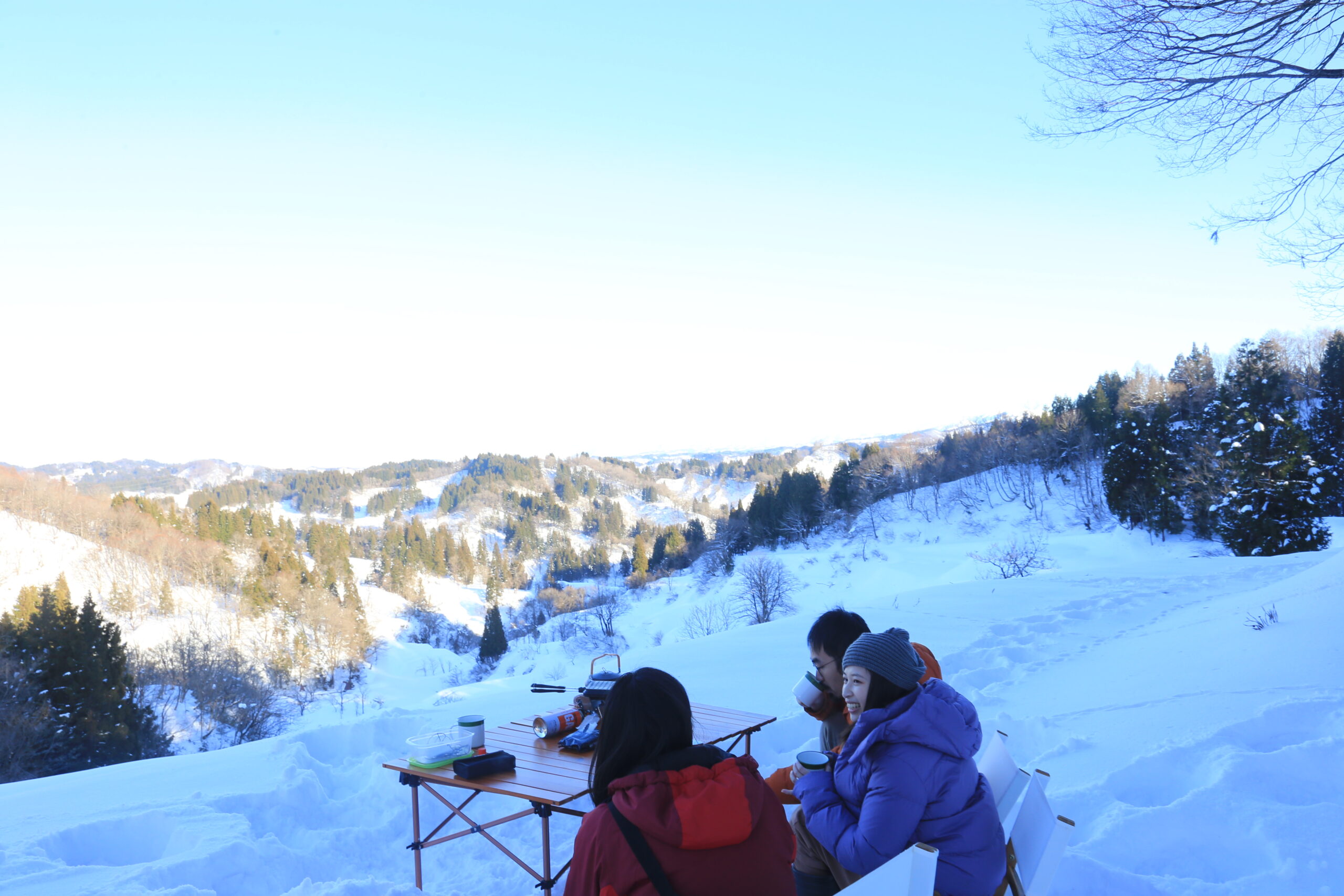
After enjoying some light exercise trekking through the snowfields, the untouched snowy landscape transforms into your private open-air café. Surrounded by vast nature with nothing blocking your view, you will be served sweets and natural “Kuromoji” tea, brewed from the spicebush native to the mountains of Tokamachi. The refreshing and elegant aroma unique to Kuromoji helps relax both your mind and body. The moment you sip the hot, steaming tea in the crisp, clear winter air is an irreplaceable bliss. Gazing at the silent snowy scenery while warming yourself from the core with delicious tea is a luxurious relaxation experience that allows you to forget the hustle and bustle of the city and enjoy the winter of the snow country with all five senses.


History Culture Nature

[Experience] Tokamachi Tanada Treks - Historical Course: The Samurai’s Ancient Route

JPY 9,250 / 1 person (tax included)

Trek through picturesque landscapes that feel like they’ve been pulled straight from a painting—this is real Japan. In the mountain regions, terraced rice fields symbolize centuries of history and culture. From historical records, we know that residents in this heavy-snow region carved these tiered paddies through meticulous, hardworking effort. You’ll walk through deep cedar forests and ancient paths, experiencing one of Japan’s most beautiful landscapes. Witness the everyday rhythms of rural life—rice planting and harvesting, foraging wild plants along the trail, and spotting traces of local wildlife—to feel Japan’s history and culture come alive.

Outline

1. Follow the Samurai’s Path through History and Nature

You’ll walk the old Matsunoyama Kaidō, said to have been taken by the famed warlord Uesugi Kenshin during his campaigns toward the Kanto region. This historic path still holds echoes of samurai footsteps—stone Buddhas, shrines, and the remnants of mountaintop castles seem to silently pray for travelers’ safety. The route intersects terraced rice paddies where rice cultivation has long supported local life. As you follow the way of the samurai, enjoy the rich tapestry of history, nature, and enduring everyday life.

2. Guided Treks into Snow-Country Village Life
Accompanied by a dedicated guide, explore the satoyama’s seasonal varieties of nature and lifestyle. Discover original snow-country architecture, pure spring water streaming from beech forests, and centuries-old stone statues watching over the settlements. With each step, you’ll encounter the wisdom of those who lived in harmony with heavy winter weather and land stewardship practices. There may even be buttonholes of chance—meeting people tending to their fields, sharing conversation, or receiving a friendly wave, making your journey all the richer.

3. Echoes of a Changing Reality
These breathtaking rice terraces and village scenes are preserved by generations of care. Yet many mountain communities now face labor and demographic challenges, threatening the continuity of traditional paddies. During the “water mirror” season, the landscapes draw many admirers—but this beauty also brings dilemmas for the local people. Our tour thoughtfully explores both the scenic wonder and the underlying realities facing rural Japan today, inviting you to enjoy—and to reflect.


Tokamachi Tanada Treks currently offers two courses, and each course offers a unique way to experience “real Japan.” Whether you choose this historical section along Matsunoyama Kaidō, tracing the samurai path, or the Hoshitōge course, with its satoyama rice terrace vistas and ecological tapestry (Tokamachi Tanada Treks -Hoshitoge Excellent Views Course-) —both invite connection: with nature, with history, and with people.


For those who lack confidence walking steep slopes, there is also a walking tour through the village nestled between two beautiful terraced rice fields, each with its own distinct charm: Tokamachi Satoyama Walk -Gimyo & Kamo Rice Terraces Course-


In winter, there is a tour that allows you to experience traditional snowshoes called Kanjiki in the terraced rice fields: Rice Terraces “Kanjiki” Snowshoe Walking with Tea Time on the snow

History Nature Culture

[Experience] Tokamachi Tanada Treks -Hoshitoge Excellent Views Course-

JPY 9,250 / 1 person (tax included)

Trekking in an area that looks like a painting of the “real” Japan; experiencing the rich history, culture and beautiful scenery of this area.

The terraced rice fields in the mountains of Japan are a symbol of its history and culture. The records from the past show how people in this area of heavy snow built stair-like rice fields; they also show how hard-working these people were.

Walking on the paths between the terraced rice fields, with deep forests and unmistakable cedar trees standing alongside, you encounter some of the most beautiful scenery in the country.

Through experiences including visiting local farmers, wild vegetable picking, rice planting/harvesting, cycling, paddling and snowshoeing, explore the history and the culture firsthand.


Outline

1, Serene Satoyama Landscape with Iconic Rice Terraces
In Tōkamachi, the traditional satoyama (village mountain) life centered around terraced rice paddies continues today. These paddies, cherished since an era when rice was society’s true measure of value, are a symbol of Japanese culture. They also perform essential ecological roles—flood control, water filtration, and serving as a habitat for diverse wildlife. Tōkamachi in Niigata Prefecture is known as one of Japan’s premier regions for terraced rice paddies, enchanting many visitors. In this heavy-snow area, the fields stand as testament to how earlier generations met fierce winters with resilient ingenuity.

2, Guided by Local Outdoor Experts
Satoyama is a meeting point of human life and wildlife. Local guides raised in snow-country villages bring their intimate knowledge of the delicate balance of nature to life. Along the way, you might spot signs of tanuki (raccoon dogs), badgers, serow, or bent cedar trees weighed down by snow. Climbing through lower mountains, you’ll see beech groves, intertwined vines like wisteria or akebi, and other fascinating flora. Pause to observe how people and nature intertwine in this vibrant, living landscape. You may even meet villagers working in the fields and have a warm, spontaneous interaction that deepens your journey.

3, Behind the scene of Beautiful Tanada
While the terraced paddies and satoyama views captivate many visitors, they are sustained only through intense, ongoing local effort. But aging farming communities now find it harder than ever to maintain them. Paradoxically, crowded with visitors during the ‘water mirror’ season (spring to early summer), the scenery delights yet also causes mixed feelings among residents. This tour doesn’t shy away from these realities. As you admire the view, you’ll also gain insight into Japan’s present-day challenges—and leave with a moment to reflect on how these landscapes might be preserved for the future.


Tokamachi Tanada Treks currently offers two courses, and each course offers a unique way to experience “real Japan.” Whether you choose this Hoshitōge course, with its satoyama rice terrace vistas and ecological tapestry, or the historical section along Matsunoyama Kaidō, tracing the samurai path (Tokamachi Tanada Treks – Historical Course: The Samurai’s Ancient Route) —both invite connection: with nature, with history, and with people.


For those who lack confidence walking steep slopes, there is also a walking tour through the village nestled between two beautiful terraced rice fields, each with its own distinct charm: Tokamachi Satoyama Walk -Gimyo & Kamo Rice Terraces Course-


In winter, there is a tour that allows you to experience traditional snowshoes called Kanjiki in the terraced rice fields: Rice Terraces “Kanjiki” Snowshoe Walking with Tea Time on the snow

history culture nature

[Experience] Tokamachi Satoyama Walk -Gimyo & Kamo Rice Terraces Course-

Walking only: 6,000 yen/person; With packed lunch: 8,000 yen/person Iincl. tax

This walking tour takes you from the Gimyo rice terraces to the Kamo rice terraces throughout the villages.

You can visit two of the most popular terraced rice paddies scattered around Tokamachi City.
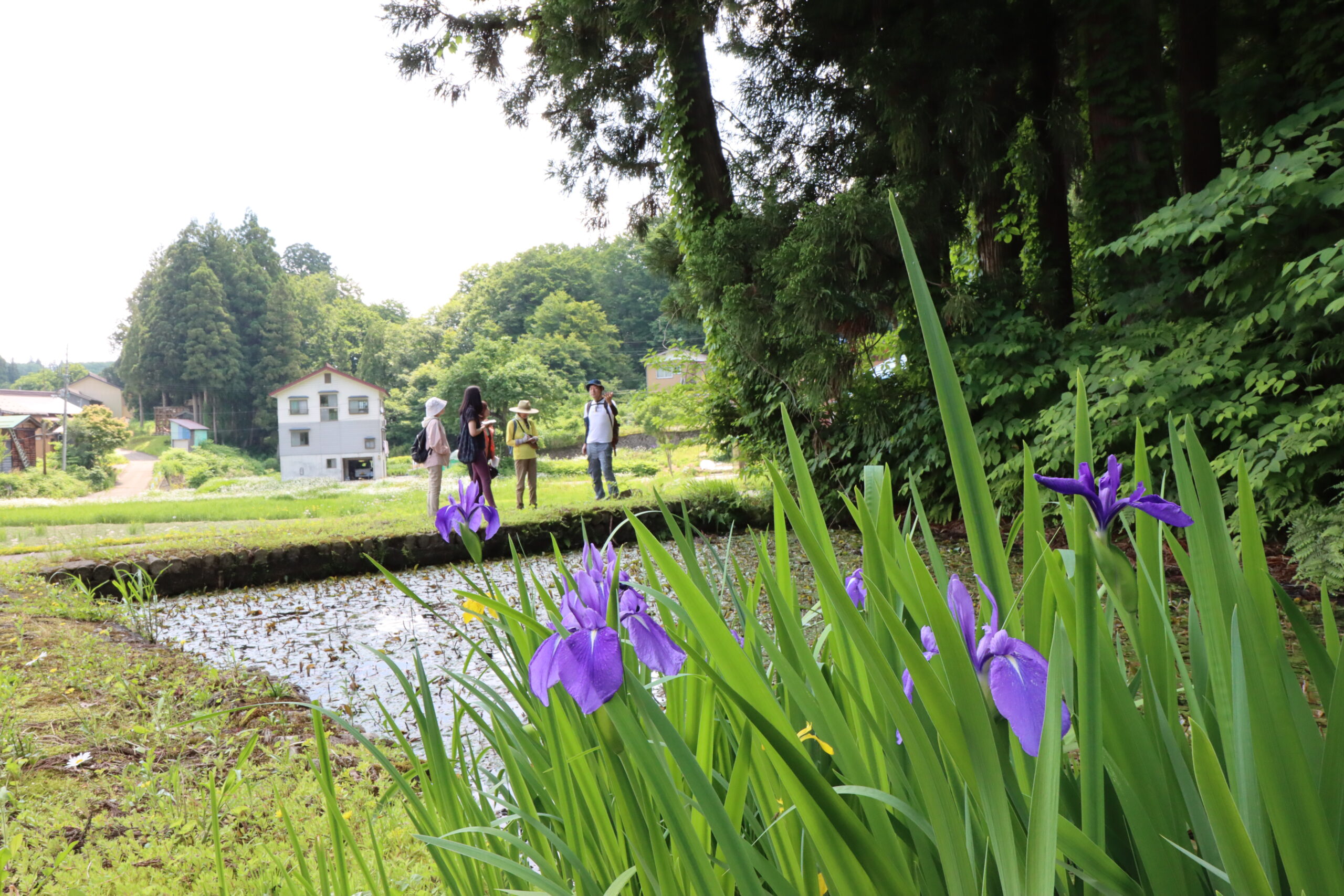
Take a look at life in a ‘satoyama’ (a place where nature and human life intersect) as you walk through the villages and satoyama with a guide.

The approximately 1.5-hour course is mostly on paved paths, making it easy to walk, and anyone can participate, regardless of age.


The landscape of the satoyama with its terraced rice paddies, a symbol of Japanese culture.

Beautiful terraced rice paddies have been cultivated and passed down from generation to generation since ancient times. In Tokamachi, the satoyama lifestyle centred on terraced rice paddies is still alive today.

Tokamachi City in Niigata Prefecture is dotted with beautiful terraced rice paddies, of which the Gimyo Rice Terraces and Kamo no tanada

winter snow culture

[2D1N WINTER TOUR] Discover Authentic Japan

FROM 28,500 yen per person *If you apply as a group of 4 people

The Tokamachi/Uonuma area of Niigata Prefecture is a snowy region, with several meters of snow in the winter. Immerse yourself into the beauty of authentic “snow country” life through this tour!

  1. Snowshoe through the beautiful scenery created bythe snow-covered terraced rice fields. Also enjoy a special tea time on the snow.
  2. Dinner with ‘local moms’ to cook traditional dishes and spend an enjoyable evening socializing.
  3. Stay in a renovated traditional house all to yourselves.
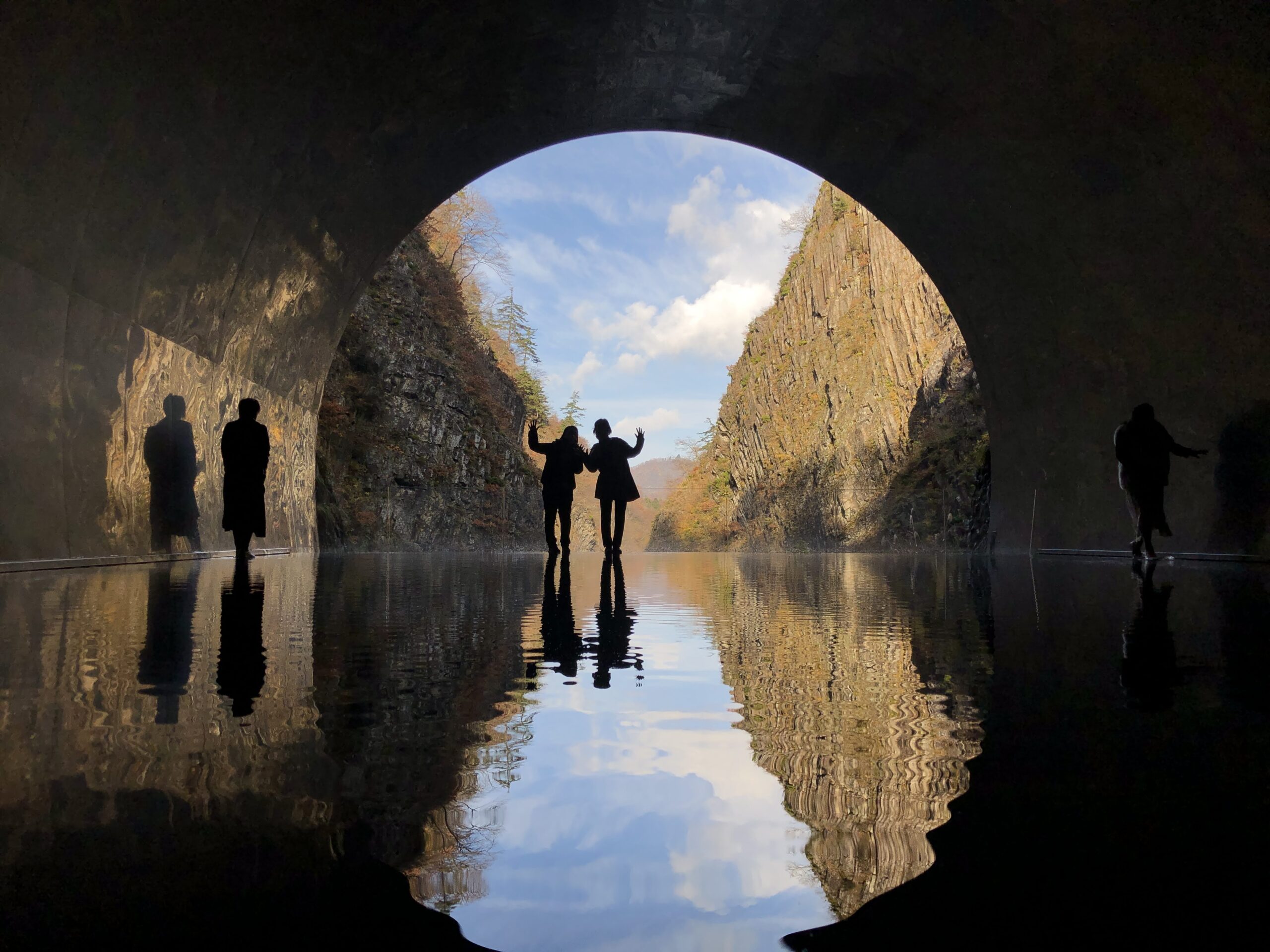
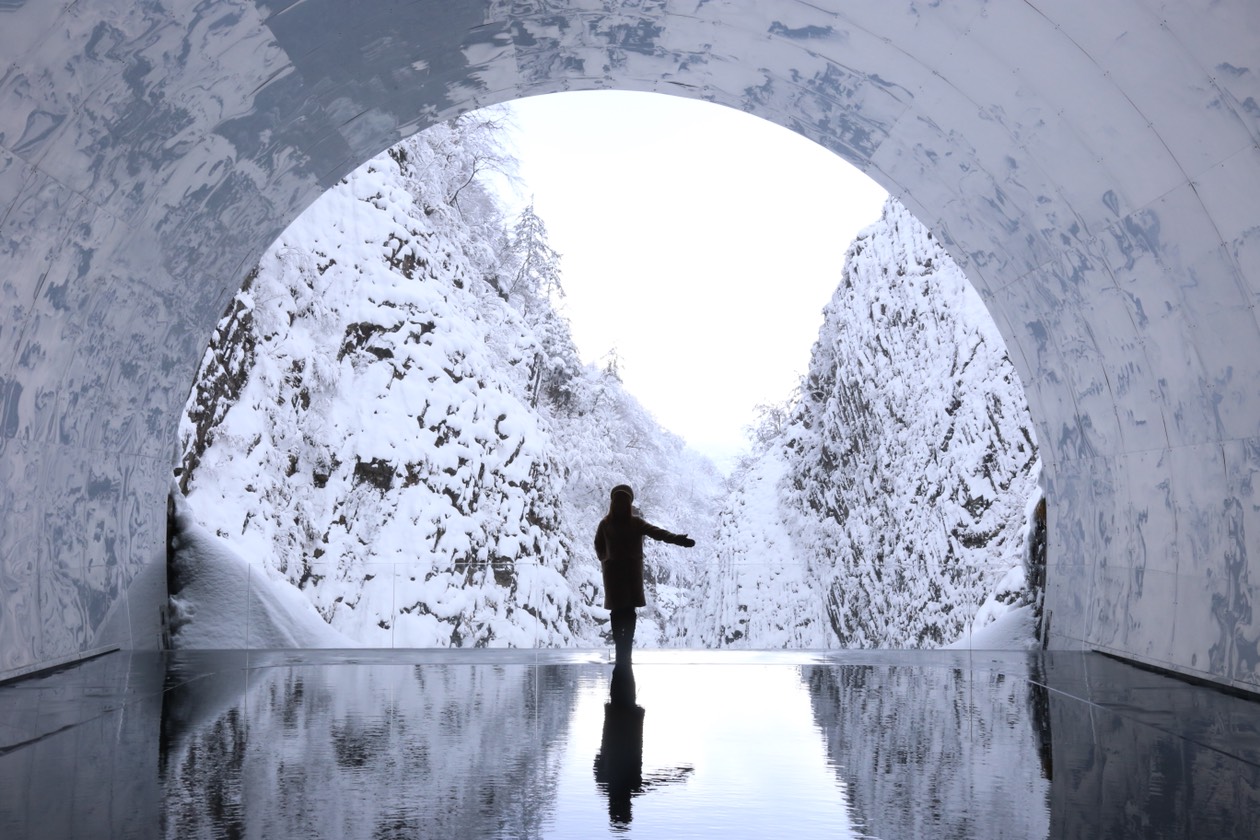
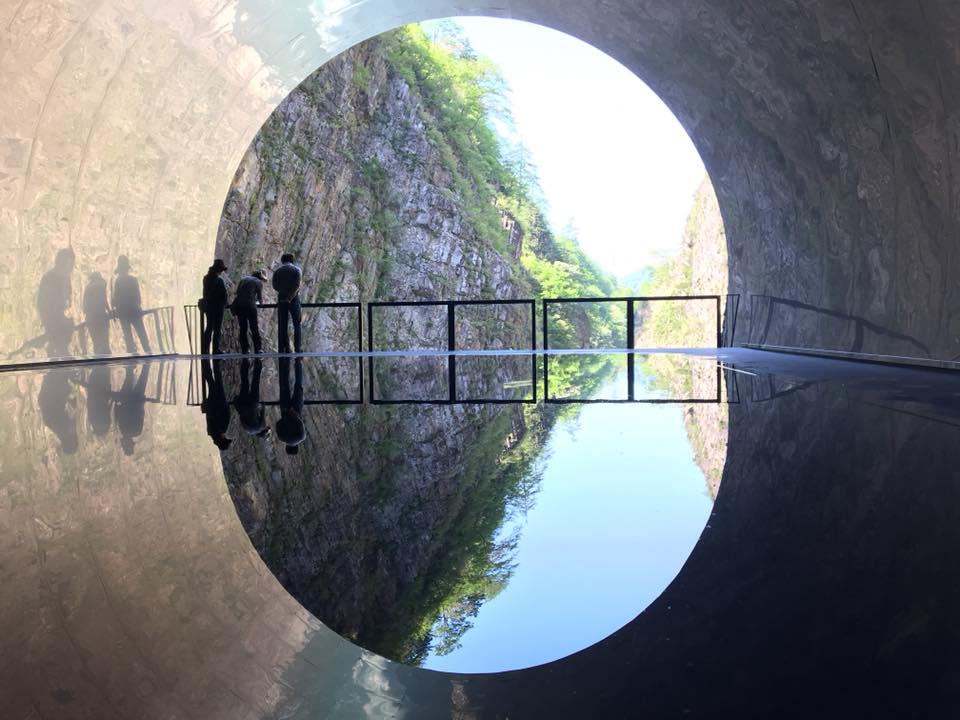
  4. Visit the Tunnel of Light (Kiyotsu Gorge), a must-seeartwork of the Echigo-Tsumari Art Triennale.

Nature Art

[Day Trip] Private Taxi Tour -Spectacular Scenery and Art-

From JPY 19,000 for 2 hours Incl. tax

This tour takes you around the must-see sightseeing spots in Tokamachi, Niigata by a chartered taxi.
The itinerary is decided in advance, so all you have to do on the day of the tour is to get in the car at the meeting point. There is no need to go through troublesome procedures or communication in Japanese.

You can choose the pick-up and drop-off locations within Tokamachi City and surrounding areas, such as Echigo-Yuzawa Station. Please let us know your preference at the time of application. (Fees are subject to change depending on the route.)

Please contact us if you need an English speaking guide. (Fees will be quoted separately.)

art local nature

[Day Trip] Private Taxi Tour -Indulging in Echigo-Tsumari Art Triennale and Local Life-

From JPY 19,000 for 2 hours Incl. tax

[Limited tour through November 10, 2024]

Immerse yourself in art and local culture with this special tour during the Echigo-Tsumari Art Triennale.

This tour takes you around the locations of your choice in Tokamachi, Niigata by a chartered taxi.
The itinerary is decided in advance, so all you have to do on the day of the tour is to get in the car at the meeting point. There is no need to go through troublesome procedures or communication in Japanese.

Just let us know where you want to visit and we will suggest the best itinerary for you. You also can choose the pick-up and drop-off locations within Tokamachi City and surrounding areas, such as Echigo-Yuzawa Station. Please let us know your preference at the time of application. (Fees are subject to change depending on the route.)

Please contact us if you need an English speaking guide. (Fees will be quoted separately.)

Click here for other themes: [Day Trip] Private Taxi Tour -Spectacular Scenery and Art-

nature culture food

[2D1N SPRING TOUR] "Sea of Clouds" Hunting

FROM 28,500 yen per person *If you apply as a group of 4 people

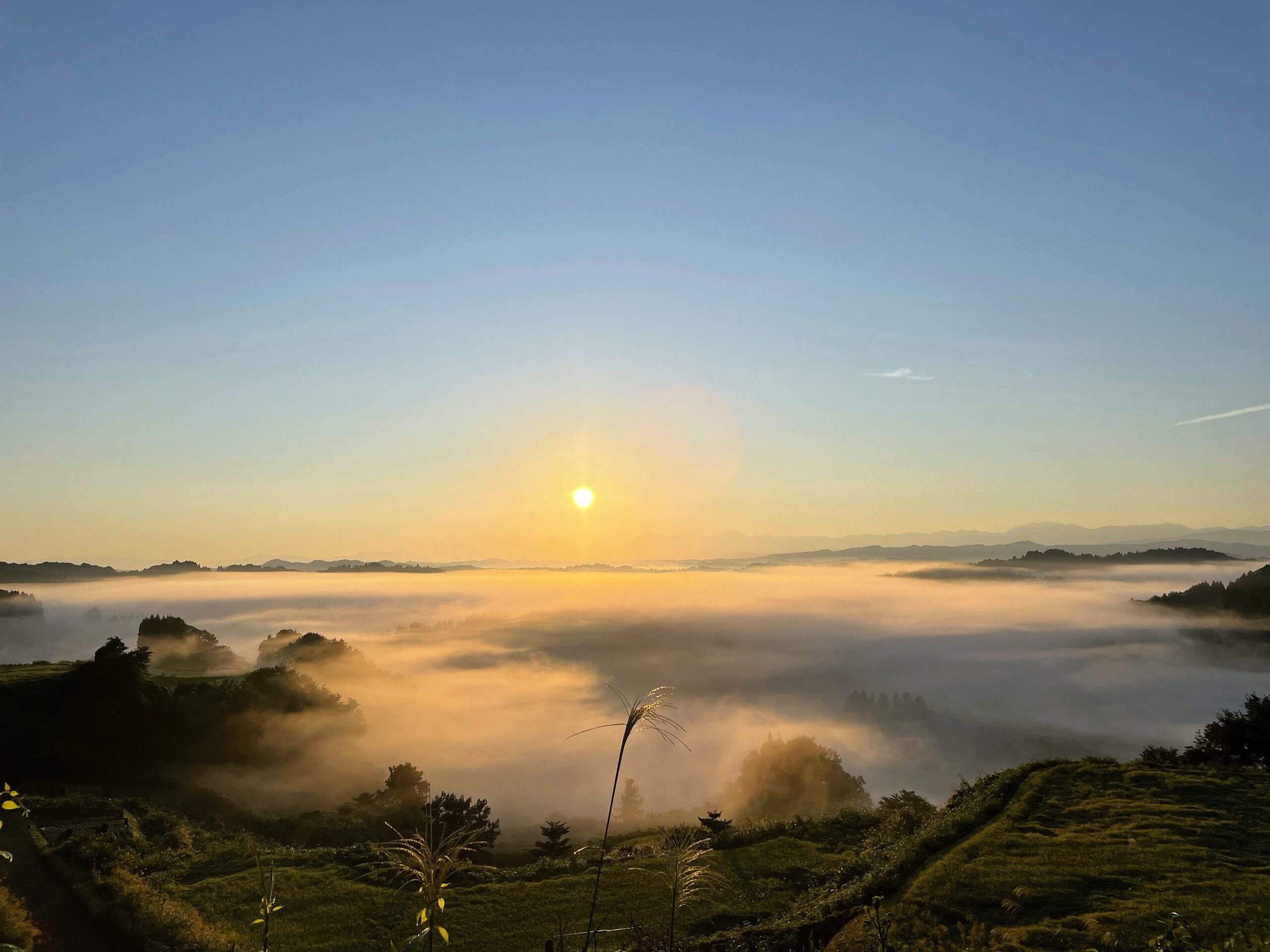
Let’s go see the terraced rice fields covered with a sea of clouds, a spectacular view that can only be seen at the specific times of year!

  1. Come with our local guide to seek for fantastic views of terraced rice fields covered by a sea of clouds! Also have
    breakfast outdoors while enjoying the view.
  2. Experience the traditional craft of chinkoro making.
  3. Stay in a renovated traditional house all to yourselves.
  4. Visit the Tunnel of Light (Kiyotsu Gorge), a must-see artwork of the Echigo-Tsumari Art Triennale.